This article may contain affiliate links. If you buy through them, Mornings and Mascara may earn a small commission at no extra cost to you. Learn more.
Building a cohesive makeup palette is an art form that marries your personal style with an understanding of color theory and product formulation. A well-curated palette not only enhances your natural features but also allows for versatility across various occasions. This article will guide you through the process of creating a palette that flows seamlessly with your aesthetic, using practical examples from my own collection and insights into the science behind colors and textures.
Understanding Your Color Palette
The foundation of any cohesive makeup palette rests in a solid understanding of color theory. At its core, color theory involves the relationships between colors and how they interact with one another. Complementary colors, which sit opposite each other on the color wheel, create striking contrasts. Analogous colors, found next to each other, provide harmony and are pleasing to the eye. When selecting shades for your palette, consider the undertones of your skin, as these will affect how colors appear on your face. For instance, those with warm undertones will generally find their preferences leaning toward earthy tones, rich reds, and golden hues.
In my own collection, I gravitate toward a palette of warm tones that reflects both my skin’s undertone and my personal style. I often choose shades like burnt sienna and terracotta, which not only complement my complexion but also create a warm, inviting look that feels cohesive no matter the occasion. This choice is not merely aesthetic; it enhances my features while maintaining an effortless flow throughout my makeup looks.
Selecting the Right Formulas
Equally important to color selection is the choice of product formulas. The way a product behaves on the skin can significantly impact the overall effect of your makeup. For example, consider the difference between powder and cream formulations. Cream products often offer a more dewy finish and are ideal for dry skin, while powders provide a matte finish and typically work well on oily skin types. Understanding how each formula interacts with your skin type will ensure that your palette serves your needs effectively.
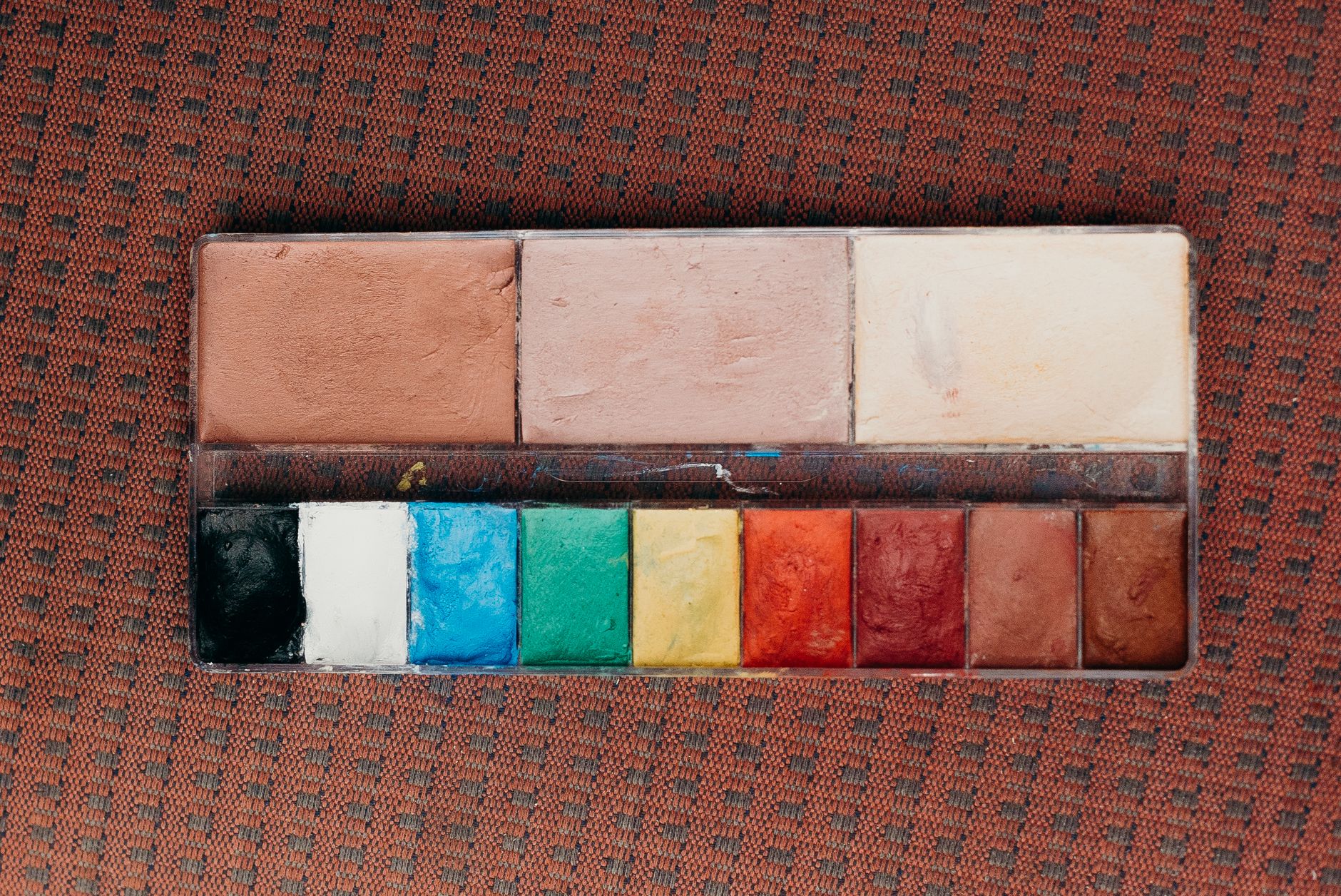
In my kit, I incorporate a range of textures to allow for versatility. A cream blush in a warm peach tone complements my warm undertones beautifully and offers a natural flush. On the other hand, I have a finely milled setting powder that sets my base without altering the color of my foundation. The key is to select formulas that work in tandem, allowing for a seamless transition from one product to another.
Building Versatility into Your Palette
A cohesive palette should offer versatility, allowing you to create looks ranging from everyday ease to dramatic flair. Start with a base selection of shades that can be mixed and matched. I suggest beginning with a few essential categories:
- Transition Shades: These are mid-toned neutrals that can be applied in the crease of the eye to deepen the look without overwhelming it.
- Highlight Shades: A selection of lighter shades that can be used on the brow bone, inner corners of the eyes, and even as a cheekbone highlight.
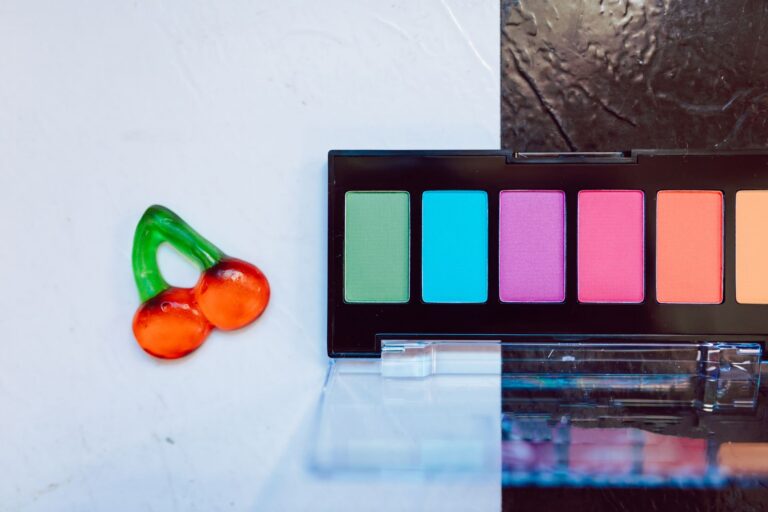
- Pop of Color: Choose one or two vibrant shades that resonate with your personality. These can be used as liner, on the lids, or even as a bold lip option.
- Finishing Touches: These can include a setting spray or finishing powder that enhances the overall appearance and longevity of your makeup.
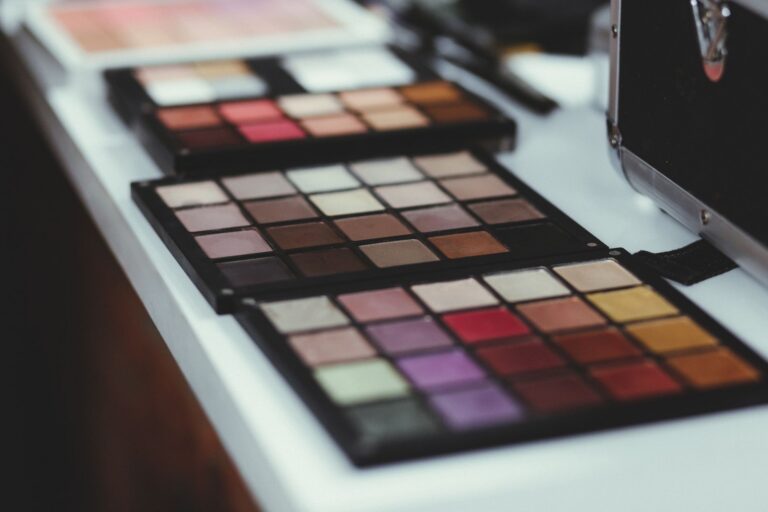
For example, I have a palette that features a warm taupe transition shade, a soft champagne highlight, and a vibrant berry for my pop of color. This combination allows for an effortless day look, while the berry can be intensified for evening glamour.
The Role of Application Techniques
Equipping yourself with the right brushes and application techniques is essential for achieving a polished look. The way you apply products can significantly affect their appearance and longevity. For instance, when using a cream product, I often prefer a synthetic brush or even my fingertips for a more natural blend, as these tools can manipulate the formula more effectively than natural bristles. Conversely, powder products benefit from feather-light, fluffy brushes to create a soft diffusion on the skin.
Additionally, consider the history of the tools you use. Many modern brushes are derived from centuries-old techniques initially designed for artists. For example, the stippling brush, which creates a soft-focus effect, has its roots in painting, where it was used to create texture and depth. Understanding the origins of these tools can help you appreciate their efficacy and choose the right one for your look.
Emphasizing Your Signature Style
Your personal style should always shine through in the choices you make for your makeup palette. Whether you prefer bold, graphic eyeliner or soft, romantic blushes, your palette should reflect that. Incorporate shades and products that resonate with your identity, allowing you to express yourself effortlessly.
In my experience, having a well-rounded palette has allowed me to embrace my signature style, which often features a bold lip paired with a more understated eye. By carefully selecting shades that complement each other and suit my preferences, I can create a multitude of looks without overwhelming my kit. This balanced approach prevents unnecessary clutter and ensures that each product serves a clear purpose.
Curating Your Final Palette
Once you have determined the shades, formulas, and application techniques that resonate with you, it’s time to curate your palette. Consider the following:
- Choose a mix of finishes, matte, shimmer, and satin, to add depth to your looks.
- Ensure that your chosen shades can transition easily from day to night.
- Keep it practical; include products that you will use regularly and can layer for more impact.
When I curated my most recent palette, I focused on creating a cohesive color story that flows from warm neutrals to deeper, richer hues. Each shade was selected for its ability to blend seamlessly with others, and I ensured that the finishes varied to keep my looks dynamic.
Maintaining Your Palette
Lastly, maintaining your palette is essential for ensuring longevity and quality. Regular cleaning of your brushes prevents the buildup of bacteria, which can affect both your skin and the makeup’s performance. Additionally, periodically reassessing your palette allows you to remove products that no longer serve you or to incorporate new favorites that better fit your evolving style.
Conclusion
Creating a cohesive makeup palette is a thoughtful process that involves an understanding of color theory, product formulation, and personal style. By carefully selecting shades, textures, and tools, you can build a palette that flows effortlessly with your aesthetic. Remember that makeup is an evolving art form, and it’s essential to adapt your palette to reflect your unique preferences and lifestyle. With a curated collection, you can navigate any occasion with confidence and creativity.