This article may contain affiliate links. If you buy through them, Mornings and Mascara may earn a small commission at no extra cost to you. Learn more.
Mineral makeup has gained a reputable spot in the beauty industry, often celebrated for its perceived skin-friendly properties and natural appeal. My journey with mineral makeup began years ago, primarily driven by curiosity and a desire for a lighter, more breathable alternative to traditional foundations. Over time, I have come to appreciate the nuanced benefits of these formulas, which extend beyond mere aesthetics.
Understanding Mineral Makeup
At its core, mineral makeup is composed of natural minerals, typically including titanium dioxide, zinc oxide, and mica. These ingredients serve various purposes such as pigmenting, providing sun protection, and delivering a lightweight finish. The distinctive aspect of mineral products is their formulation; they are often free of synthetic fragrances, preservatives, and talc, which can be irritating for some skin types.
One of the significant benefits I discovered early on was the pore-minimizing effect of mineral foundations. Unlike traditional liquid foundations, which can sometimes clog pores due to their heavier formulas, mineral foundations create a light barrier over the skin. This is primarily due to the way mineral particles reflect light, a phenomenon known as the scattering effect. By blending seamlessly into the skin’s natural texture, they allow for a soft-focus finish while minimizing the appearance of imperfections.
Personal Experiences with Mineral Formulations
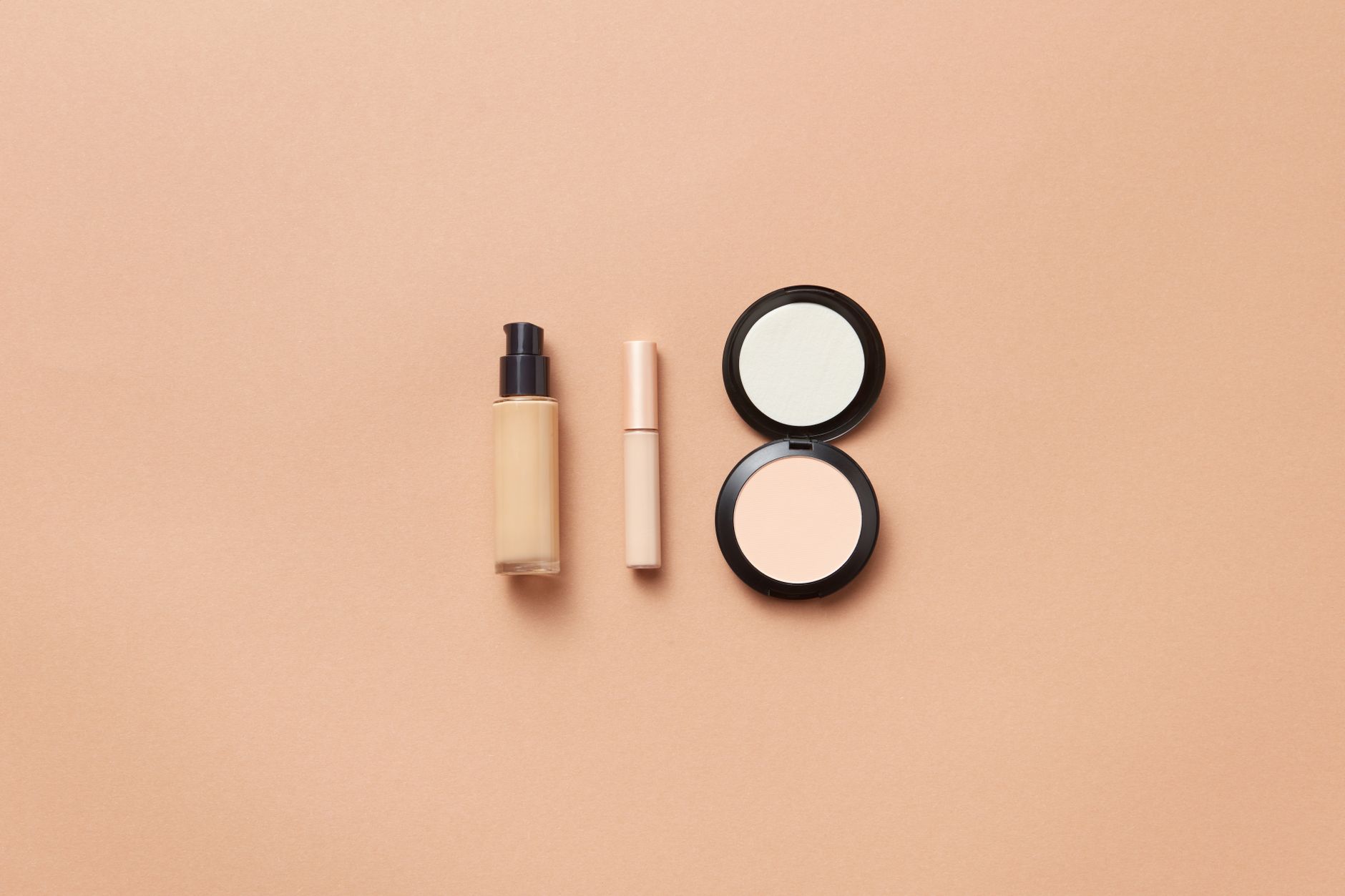
In my own makeup kit, the standout product is a mineral powder foundation that has transformed my daily routine. The shade selection, which includes a range of undertones, allows for a custom match that feels like second skin. I often reach for the shade with a neutral undertone to balance my often unpredictable skin tone; the intricate pigments harmonize beautifully with my warm undertones, providing both coverage and a radiant finish without looking flat.
Applying mineral foundation requires a slightly different technique compared to liquid foundations. I prefer to use a dense kabuki brush, which allows for controlled buffing of the product into the skin. The key here is to build coverage gradually. I usually start with a light dusting to even out my skin tone, and then layer where needed. This technique not only provides a natural look but also prevents the cakiness that can occur when too much product is applied at once.
Benefits Beyond the Surface
While I initially gravitated towards mineral makeup for its lightweight feel, I soon realized that the benefits extended beyond aesthetics. Many mineral formulations incorporate skin-soothing ingredients such as zinc oxide, known for its anti-inflammatory properties. This is particularly beneficial for those with sensitive or acne-prone skin. Over time, I found that my skin experienced fewer breakouts when I swapped out heavier foundations for mineral alternatives, leading to a more balanced complexion.
Another aspect that drew me to mineral makeup is its inherent sun protection qualities. For instance, titanium dioxide and zinc oxide are both physical sunscreens, providing broad-spectrum UV protection. While I still advocate for a dedicated sunscreen as a crucial step in any skincare routine, having an additional layer of mineral-based protection from my foundation felt like a win, particularly during those sun-soaked summer months. I have come to appreciate this layered approach, ensuring my skin is both protected and radiant.
Color Theory and Mineral Pigmentation
Understanding color theory has become essential in navigating the world of mineral makeup. The pigments used in mineral formulations are often derived from naturally occurring minerals, which allows for a rich selection of shades. For example, iron oxides are frequently used to create warm, cool, and neutral shades. The transparent nature of these pigments means they can be built up for variable coverage, a feature I particularly enjoy when creating both everyday looks and more polished evening appearances.
Moreover, the mineral pigments have a unique ability to adapt to different skin tones due to their inherent translucence. I often mix a deeper shade with a lighter one to achieve a perfectly tailored match, which is a distinct advantage of mineral makeup. This blending capability is particularly useful during transitional seasons when my skin tone changes due to sun exposure.
Overcoming Common Misconceptions
Despite the many advantages, there are several misconceptions surrounding mineral makeup. One such myth is that mineral products do not provide adequate coverage. This belief stems from early formulations that may have been too sheer for some wearers. However, modern mineral foundations have evolved considerably, offering full coverage options with a natural finish. My experience with a certain full-coverage mineral foundation dispelled this notion entirely; it not only covered blemishes and redness but also maintained a lightweight feel throughout the day.
Another common concern is that mineral formulas can be drying or emphasize texture. While it is true that certain minerals can absorb oil, I have found that this largely depends on the specific formulation and how it interacts with one’s skin type. For instance, my combination skin benefits from a mineral foundation with a hydrating base, which balances the drying aspects of the minerals. A mineral foundation with added emollients can be particularly effective in combating this issue.
Making It Work for You
If you are considering making the switch to mineral makeup, there are a few key aspects to keep in mind. First, as with any makeup, it is crucial to prep the skin properly. A good primer can create a smooth canvas, allowing the mineral pigments to adhere more effectively. I often apply a lightweight, hydrating primer before my powder foundation to ensure longevity and finish. Second, experimentation is paramount. Finding the right formulation, application technique, and shade can be a journey, but the rewards are well worth the effort.
Additionally, I recommend incorporating a setting spray designed for mineral makeup after application. This not only helps to lock the products in place but also enhances the overall appearance, giving a soft, dewy finish that complements the natural qualities of mineral formulations.
Conclusion
My journey with mineral makeup has been both enlightening and rewarding. Beyond its aesthetic appeal lies a wealth of benefits that cater to various skin types and concerns. By embracing this category, I have discovered a foundation that not only feels good on the skin but also enhances my overall complexion health. While it may not be the perfect fit for everyone, I encourage those curious about mineral makeup to explore its potential. With the right approach and a dash of experimentation, you may find that mineral makeup has surprising benefits that resonate with your own beauty journey.