This article may contain affiliate links. If you buy through them, Mornings and Mascara may earn a small commission at no extra cost to you. Learn more.
In the realm of beauty, the significance of blending is often underestimated. While the products we choose play a pivotal role in our makeup outcome, the tools we use can be just as influential, if not more. Selecting the right brush can mean the difference between a flawless application and a patchy disaster. As someone who has navigated the ins and outs of blending for years, I have come to appreciate how brush selection fundamentally affects everything from the application of foundation to the blending of eyeshadows.
The Science Behind Brush Bristles
Understanding the material and structure of brush bristles is the first step in mastering the art of blending. Brushes can be made from natural hair, synthetic fibers, or a combination of both. Natural hair brushes, often crafted from the fur of pony, sable, or goat, have unique properties that lend themselves well to blending due to their softness and ability to hold product. The cuticle on these bristles allows for a nuanced application, especially with powder products like blush or eyeshadow.
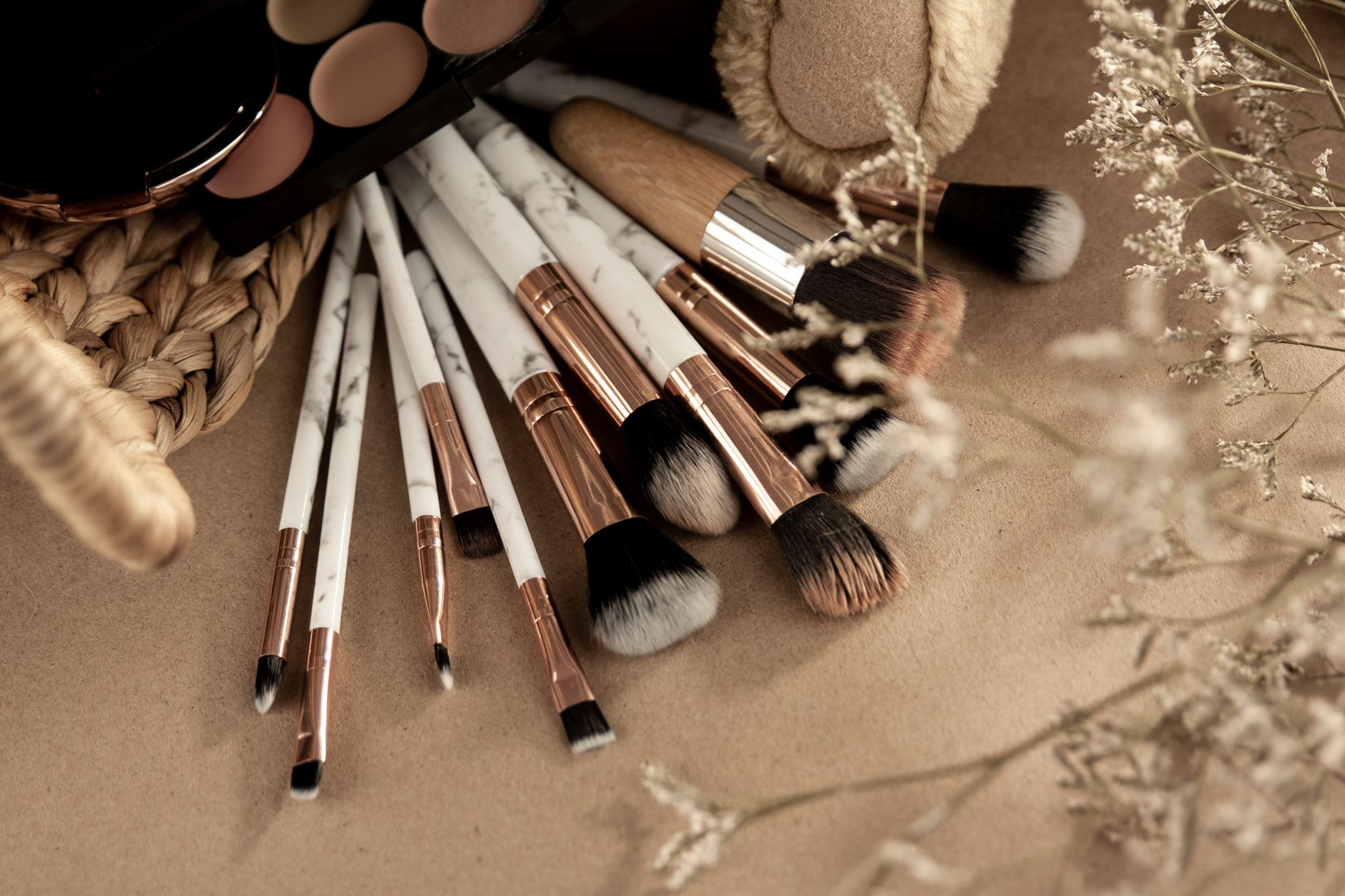
On the other hand, synthetic brushes, made from materials like nylon or polyester, offer a different set of advantages. They are often denser, making them ideal for cream and liquid products. Moreover, synthetic brushes tend to be more hygienic, as they are easier to clean and less likely to harbor bacteria. Personally, I rely heavily on a tapered synthetic brush for blending cream concealer under my eyes; the density allows for a seamless finish without disturbing the underlying foundation.
The Importance of Shape and Size
Beyond the material, the shape and size of a brush greatly influence its effectiveness. For instance, a flat shader brush is excellent for packing on eyeshadow, while a fluffy blending brush is essential for diffusing color at the crease. When I apply my transition color, I reach for a large, fluffy brush with a slightly tapered tip. This design helps the color disperse evenly across my eyelid, creating the soft gradient that is often sought after in makeup looks.
Similarly, when working with foundation, the choice between a flat foundation brush and a round buffing brush can change the final appearance dramatically. The flat brush can leave streaks, while the buffing brush can create a soft, airbrushed effect. This comes down to how each brush distributes the product. A buffing brush, with its circular motion during application, can minimize the appearance of pores and texture on the skin.
Understanding Different Techniques
When it comes to blending, the technique can vary depending on the product and the desired finish. For instance, when applying cream blush, I often use a stippling brush. The stippling technique, where the brush is lightly pounced on the skin, creates a natural, flushed appearance without looking heavy. This method is effective because it allows the product to disperse evenly and simulates the effect of skin’s natural flush.
In contrast, blending eyeshadows requires a different approach. For softer blends, I often use a windshield-wiper motion with a fluffier brush to seamlessly transition between colors. This technique gets its name from the back-and-forth motion akin to how windshield wipers clear rain from a car windshield. The key to achieving a soft blend is to keep the pressure light and the movements gentle. Overworking the product can lead to patchiness, as the pigment may become overly saturated in one area.
Colour Theory and Blending
A small but significant detail that often gets overlooked is the impact of color theory on blending. Understanding undertones can enhance the blending process, particularly when mixing shades or correcting mistakes. For example, if you find that your foundation appears too yellow on your skin, blending a little bit of a cool pink concealer, which contains blue pigments, can counteract that warmth. This technique stems from the color wheel, where complementary colors work to neutralize each other. My own routine often includes a peachy corrector before applying my foundation to even out any purple tones under my eyes.
Choosing the Right Brushes for Your Kit
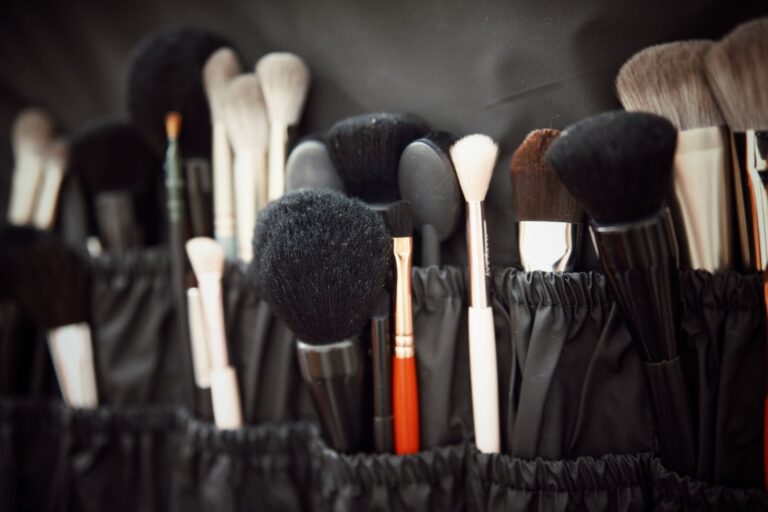
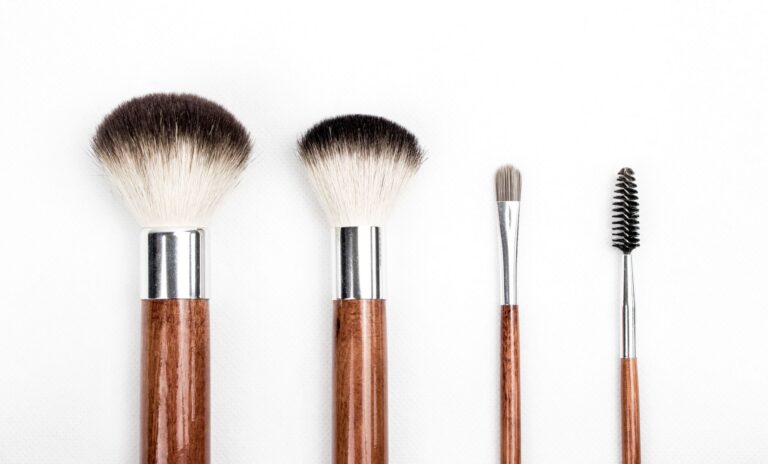
When curating a makeup brush kit, consider the core brushes that will serve multiple purposes, allowing you to maximize versatility while minimizing clutter. Essential brushes include a fluffy blending brush, a dense packing brush, a small detail brush, and a precision foundation brush. Each serves a unique function, yet together they can achieve a wide range of looks.
- Fluffy Blending Brush: Ideal for softening harsh lines and creating gradients.
- Dense Packing Brush: Excellent for applying eyeshadow or packing on pigment.
- Small Detail Brush: Perfect for precise applications and adding depth to looks.
- Precision Foundation Brush: Provides optimal coverage while maintaining a natural finish.
In my own kit, I have a specific fluffy blending brush that has become my go-to. Its softness allows for precise but effortless blending, which is essential for achieving that coveted soft-focus effect. This brush has seen countless looks, from everyday natural makeup to more adventurous evening ensembles.
The Care and Maintenance of Brushes
To ensure the longevity and performance of your brushes, proper care is crucial. Regular cleaning not only removes product buildup but also preserves the integrity of the bristles. I recommend cleaning brushes at least once a week, using a gentle brush cleaner or a mild soap. Rinsing brushes thoroughly and allowing them to air dry in a horizontal position can prevent water from seeping into the ferrule, which can loosen the bristles over time.
Investing in a brush cleaning mat or a simple tin foil makes this process easier and more effective. It allows for a thorough but gentle clean, preserving the brushes’ lifespan while ensuring they function optimally with every use.
Conclusion
The art of blending is a multifaceted skill that extends beyond mere technique; it involves an understanding of tools and their interaction with formulas and skin textures. By choosing the right brushes, understanding their properties, and maintaining them, you can elevate your makeup application. Through my own experiences and preferences, I’ve learned that investing time in brush selection and care truly pays off, resulting in a polished and professional finish. The next time you sit down at your vanity, remember that each brush is a tool, and the right one can transform your blending from mundane to sublime.