This article may contain affiliate links. If you buy through them, Mornings and Mascara may earn a small commission at no extra cost to you. Learn more.
Achieving that elusive skin-like finish with foundation is an art that hinges on both technique and formulation. The ultimate goal is to enhance your natural complexion, creating a seamless blend between skin and makeup. In this exploration, I will delve into product types, application methods, and personal experiences to illustrate how you can achieve a polished yet understated look.
Understanding the Basics of Foundation Formulation
To effectively select a foundation, it is imperative to understand the fundamental differences in formulation. Foundations can be broadly categorized into liquid, cream, stick, and powder formulas, each with its own unique characteristics. Liquid foundations, often water- or silicone-based, tend to offer a wide range of finishes from matte to dewy. Cream foundations can provide more coverage and a rich texture, while stick formulas are convenient for touch-ups or targeted application.
For a skin-like appearance, look for foundations that are labeled as “sheer” or “buildable.” These allow you to layer coverage without creating a mask-like effect. A critical detail is the pigment load; foundations with a balanced pigment dispersion tend to adhere better to the skin, mimicking its texture more closely than those with heavy pigments that may settle into fine lines or pores.
Choosing the Right Shade
The color of your foundation should match your skin tone and undertone. Skin tone refers to the surface color of your skin, while undertone is the underlying hue, which generally falls into three categories: warm, cool, and neutral. To find your undertone, consider the color of your veins; blue veins typically indicate cool undertones, green suggests warm, and a mix signals neutral.
I personally gravitate towards foundations with a neutral undertone, as they complement my complexion without appearing overly warm or cool. One of my current favorites is a liquid foundation that adjusts slightly as you apply it, this type of adaptive formula can be excellent for achieving that “my skin but better” finish.
Application Techniques
Application technique plays a significant role in achieving a skin-like finish. While tools such as brushes and sponges can enhance the application process, the method by which you apply your foundation is equally crucial.
- Fingers: Using your fingers can provide a more natural blend, allowing the warmth of your skin to help melt the foundation into your complexion.
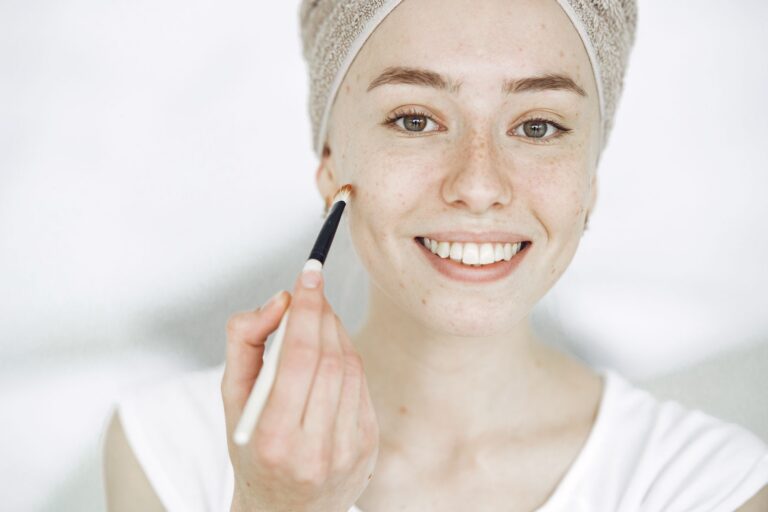
- Brushes: Flat foundation brushes can create a more polished finish, while buffing brushes are excellent for a more diffused, airbrushed effect.
- Sponges: A damp beauty sponge is my go-to for achieving a sheer, skin-like finish. The sponge absorbs excess product while pressing it into the skin, leaving a natural luminosity.
A tip I often employ is to start with a small amount of foundation, building coverage gradually. This technique prevents an overly heavy application while allowing you to focus on areas that need more coverage, like around the nose or on blemishes.
Layering: The Secret to Natural Coverage
Layering is a technique that adds dimension to your makeup. Instead of relying solely on foundation, consider incorporating a tinted moisturizer or a skin tint as your base. Applying a lightweight product first can create a natural canvas that allows your true skin to show through. Follow this with a buildable foundation only where needed, such as on the cheeks or forehead.
I typically mix a few drops of a tinted serum with my foundation for a custom finish. The added hydration from the serum not only enhances the wear but also contributes to a more luminous, skin-like appearance. This method balances coverage and glow, making it a staple in my daily routine.
Finishing Touches for a Luminous Look
Setting your foundation with a light dusting of translucent powder can help lock in your base while maintaining the skin-like finish. The key is to use a finely milled setting powder that won’t cake or settle into lines. Bake the under-eye area with a minimal amount to avoid excess shine, but leave the rest of your face slightly dewy.
- Highlighters: Opt for cream or liquid highlighters that blend seamlessly into the skin. These products can enhance the areas that naturally catch light, such as the cheekbones and bridge of the nose.
- Blush: Cream blushes are fantastic for achieving a fresh, dewy look. The formulation typically merges with the skin rather than sitting on top, enhancing the overall appearance.
Common Mistakes to Avoid
Even seasoned makeup enthusiasts can fall prey to common pitfalls when it comes to achieving a skin-like foundation finish. One of the most frequent mistakes is using too much product. A heavy application can lead to a cakey appearance, negating the goal of a natural look.
Another frequent issue is neglecting skin prep. Foundation cannot perform optimally on an uneven canvas. Proper exfoliation and hydration are necessary to allow any foundation to lay smoothly. I often use a lightweight gel moisturizer that absorbs quickly, preventing any greasy residue that might interfere with the foundation’s adherence.
Throughout history, foundation has evolved from heavy pastes and waxes used in theatrical makeup to modern, lightweight formulas designed to enhance rather than camouflage. The innovations in skin care technology have allowed for this evolution, bridging the gap between makeup and skincare.
Personal Favorites: A Glimpse into My Kit
Among the various foundations in my kit, one that consistently stands out is a water-based foundation renowned for its breathable finish. With a blend of hyaluronic acid, it offers hydration while maintaining a flawless surface that lasts throughout the day. I find that this formula adapts beautifully to my oily T-zone without becoming patchy, which is a common issue I face with heavier formulations.
Additionally, my routine includes a tinted sunscreen that doubles as a light foundation. It provides an essential layer of protection and a hint of coverage, perfect for days when I prefer a more minimalist approach. Its emollient-rich formula keeps my skin hydrated, allowing my natural radiance to shine.
Conclusion
Mastering the art of skin-like foundation is about understanding formulations, refining application techniques, and learning how to layer products effectively. By selecting the right shade, employing the right tools, and embracing layering, you can achieve a flawless, natural finish that lets your skin be the star. With a little practice and the right products, you’ll find that creating the appearance of healthy, radiant skin is less about masking imperfections and more about enhancing your natural beauty.