This article may contain affiliate links. If you buy through them, Mornings and Mascara may earn a small commission at no extra cost to you. Learn more.
Mascara is one of the most transformative tools in the beauty arsenal. A swipe or two can elevate an eye look, creating depth and drama, while also enhancing the natural beauty of one’s lashes. However, the complexity of mascara formulations often leaves many users unaware of how these products interact with lash health. In this exploration, I will break down the various mascara types, their formulations, and how they impact both appearance and lash vitality.
The Anatomy of Mascara
At its core, mascara is a cosmetic product designed to darken, lengthen, and volumize eyelashes. The primary components of mascara include waxes, oils, pigments, and film-forming agents. Each ingredient plays a crucial role in achieving the desired effect, and understanding these components can help you choose a mascara that aligns with your aesthetic goals and lash health.
Key Ingredients
- Waxes: Commonly derived from natural sources like beeswax or synthetic alternatives, waxes provide structure and hold to the lashes. They help the product adhere to the lashes and contribute to its water-resistance. However, too much wax can lead to stiff, brittle lashes if the mascara is not removed properly.
- Oils: Emollients such as castor oil or jojoba oil are often included to condition the lashes. These ingredients can help create a smoother application and provide hydration, which is vital for maintaining lash health. However, it is essential to note that certain oil-heavy formulas can weigh lashes down, leading to droopiness.
- Pigments: The color component of mascara is typically derived from carbon black or iron oxides. The pigment load affects both the intensity of the color and its longevity on the lashes. A higher pigment concentration usually results in a bolder, more opaque finish.
- Film-forming agents: These ingredients create a film over the lashes that enhances wear time and resistance to smudging. Common film-formers include acrylates and polymers, which can offer water and smudge resistance, but may require a good makeup remover to effectively cleanse the lashes.
Types of Mascara
Understanding the differences among mascara categories can inform your choices based on your lash goals and health. Here are the primary types:
- Volumizing Mascara: Formulated to plump up the lashes, these typically contain a higher concentration of waxes. They often feature thicker brushes that help deposit more product, creating a fuller appearance. While effective for a dramatic look, using volumizing mascaras excessively can lead to build-up, making the lashes appear weighed down.
- Lengthening Mascara: These formulas generally include fibers that adhere to the lashes, creating the illusion of length. However, some formulations can cause a flaky residue as the fibers may not adhere well to shorter lashes, potentially irritating sensitive eyes.
- Waterproof Mascara: Designed to withstand moisture, these formulas use stronger waxes and film-forming agents, making them more resistant to smudging. While perfect for humid conditions or long nights, waterproof formulas can be harsh on lashes, as they require rigorous removal methods that can inadvertently lead to lash breakage.
- Conditioning Mascara: Infused with lash-loving ingredients like peptides or oils, these mascaras aim to enhance lash health while providing cosmetic benefits. They often have a more lightweight feel and can be ideal for daily wear, especially if you have naturally fine or brittle lashes.
Personal Experience
In my own makeup kit, I often reach for a conditioning mascara that balances cosmetic performance with lash health. One standout for me has been a formula enriched with argan oil, which is nourishing yet provides a reasonable level of volume without clumping. I appreciate that it offers a natural finish, but I can still layer it for more intensity without compromising lash integrity. This aligns with my commitment to finding products that enhance rather than damage my natural lashes.
Application Techniques and Their Effects
The technique of applying mascara can also affect both the appearance of your lashes and their overall health. Here are some tips to maximize the benefits of your mascara while ensuring your lashes remain in good shape:
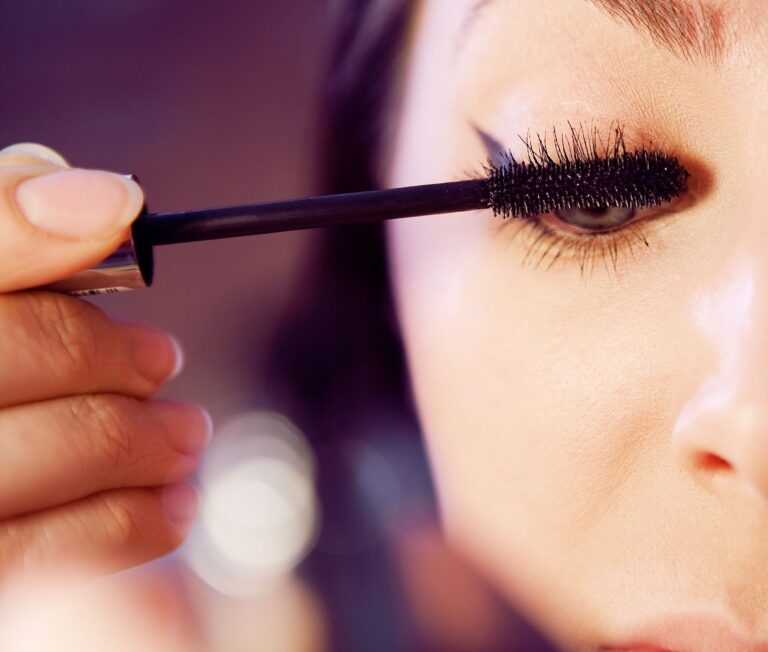
- Wiggle and Roll: Instead of simply sweeping the wand from root to tip, try a gentle wiggle motion combined with a roll as you lift the wand. This technique ensures even distribution of product, adding volume while preventing clumping.
- Use a Lash Comb: If you tend to experience clumping, especially with volumizing formulas, consider using a lash comb immediately after application. This helps separate the lashes and can reduce the risk of breakage caused by product build-up.
- Layering Wisely: When building volume, allow each layer to dry before applying another. This prevents the lashes from becoming overly heavy and promotes a more defined look. Be mindful, however, that excessive layering can lead to brittleness over time.
The Chemistry of Color
The color of your mascara can also influence its performance. Black and brown shades are the most common, but the undertone of these pigments can significantly affect how they appear on your lashes. For example, a true black mascara may suit cooler skin tones better, while warm, rich browns can compliment warmer complexions. Additionally, the saturation of pigments is critical; a high-pigment formula ensures an impactful look with fewer layers.
Interestingly, the history of mascara dates back to ancient Egypt, where kohl was used not only for cosmetic enhancement but also for its protective properties against the sun. The modern mascara wand is a far cry from those early iterations, but the principle of enhancing one’s natural beauty remains unchanged.
Maintaining Lash Health
While mascara can enhance the appearance of lashes, it’s crucial to consider the role of proper removal and care in maintaining lash health. Always opt for a gentle makeup remover, especially if your mascara is waterproof. Harsh removers can lead to lash loss and breakage.
Incorporating a lash serum into your nightly routine can also promote healthier lashes. Many serums contain ingredients like biotin and peptides, which strengthen and condition the lashes over time. Although results can take weeks or months to become noticeable, the long-term benefits far outweigh the initial wait.
Conclusion
The world of mascara is rich and varied, with formulations designed to cater to a range of aesthetic preferences and lash needs. Understanding the ingredients and types can empower you to make choices that not only enhance your eye look but also prioritize the health of your lashes. In my experience, a balanced approach, choosing the right formula, applying it thoughtfully, and caring for your lashes, can lead to beautiful results without compromising their integrity. Your lashes deserve the same care and consideration as the skin they adorn.