This article may contain affiliate links. If you buy through them, Mornings and Mascara may earn a small commission at no extra cost to you. Learn more.
Creating an everyday base makeup look requires a delicate balance between coverage and concealment. The goal is to enhance your natural beauty while providing just enough coverage to obscure imperfections without appearing overly made-up. It is a daily act of artistry that varies with skin type, personal preference, and even the climate in which you live. In this exploration, I will break down the elements involved in achieving a well-balanced base, sharing personal insights from my own makeup routine along the way.
Understanding Coverage Types
Coverage in makeup can be categorized into several types, ranging from sheer to full. Sheer coverage products, such as tinted moisturizers and lightweight foundations, allow the skin’s natural texture and tone to show through. In contrast, full coverage foundations are designed to mask imperfections completely, often with a thicker consistency. Depending on your skin’s needs and your desired look, you may find yourself gravitating toward different types at various times.
I personally favor a medium-coverage foundation for everyday use. A product like the Luminous Silk Foundation by Giorgio Armani strikes the perfect balance for me. It offers a natural finish while evening out my skin tone, enhancing my complexion rather than masking it. With its blend of emollients and pigments, the foundation provides a comfortable wear that feels lightweight on the skin.
Choosing the Right Formula
When selecting a foundation, it is essential to consider the formula. Foundations can be gel-based, cream-based, or even oil-based. Gel formulas tend to provide a fresh, dewy appearance without being overly heavy, while cream foundations offer more coverage and a richer texture. Oil-based foundations can be beneficial for dry skin types, providing hydration, while those with oily or combination skin might prefer matte finishes that control shine.
The chemistry of a foundation’s formula significantly affects its behavior on the skin. For instance, silicone-based foundations often give a smooth, velvety finish due to their ability to fill in fine lines and pores. I have experimented with both silicone and water-based formulas. While I appreciate the smoothness that silicone provides, I often reach for water-based formulations for daily wear, as they feel more lightweight and breathable.
Concealment Techniques
Concealment is as much about technique as it is about product choice. Concealers come in various types, liquid, cream, and stick, with each serving specific purposes. Liquid concealers are often best for under-eye areas due to their lighter consistency and ability to blend seamlessly. Cream concealers, on the other hand, are excellent for spot concealing blemishes or redness due to their thicker textures.
In my routine, I typically utilize both. For blemishes, I find the NARS Radiant Creamy Concealer to be indispensable. Its rich pigment allows for precise application, and its creamy texture makes it easy to blend without disturbing the foundation underneath. For the under-eye area, a lighter, hydrating formula like the Maybelline Instant Age Rewind Concealer helps brighten and conceal without settling into fine lines.
Application Techniques
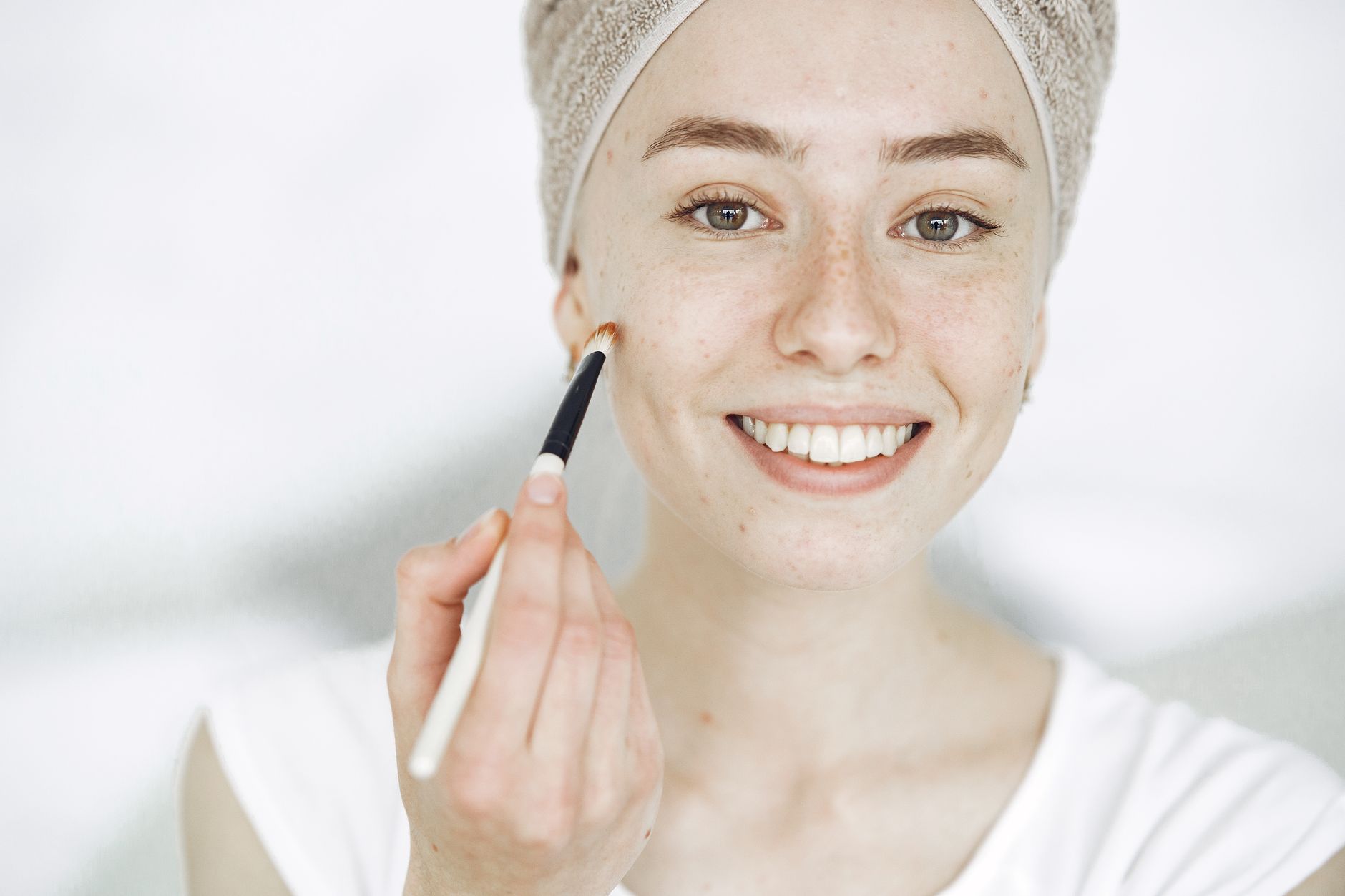
The application technique can dramatically influence the finish of your base. I often use a damp makeup sponge to apply both foundation and concealer. The sponge not only provides a seamless blend but also helps to pick up excess product, ensuring that my base does not look cakey. When applying foundation, I use a stippling motion to build coverage where needed without over-applying product. For concealer, I like to tap gently with the sponge until it fully melds into the skin.
A small note on the history of application techniques: the use of sponges dates back to ancient Egypt, where they were utilized for both cosmetic and cleansing purposes. The modern beauty sponge we know today was popularized in the early 2000s, fundamentally changing the way many of us approach our makeup application.
Color Theory in Base Makeup
An understanding of color theory is crucial when selecting the right shades for foundation and concealer. Undertones play a significant role in achieving a harmonious look. Foundations can have warm, cool, or neutral undertones, and selecting the wrong undertone can lead to an unnatural finish. It is essential to test products on your jawline to ensure they blend seamlessly with both your face and neck.
In my kit, I keep a variety of shades to account for seasonal changes in my skin tone. As the summer months approach, I tend to gravitate toward shades with warmer undertones that complement my tanned skin. Conversely, during winter, I may opt for a neutral or slightly cooler undertone to match my paler complexion. By adjusting my foundation choices slightly throughout the year, I maintain a natural appearance.
Setting the Base
A well-balanced base is not complete without proper setting. Setting powders and sprays can lock in your makeup, ensuring long wear. I generally prefer a translucent setting powder, such as the Laura Mercier Translucent Loose Setting Powder, which absorbs excess oil without altering my foundation’s color. A light dusting in the T-zone helps to maintain a fresh appearance throughout the day.
A technique worth noting here is the “baking” method, which involves applying a heavy layer of setting powder to specific areas, allowing it to sit for a few minutes before brushing off the excess. While this technique can be useful for special occasions, I reserve it for times when I need extra longevity in my makeup. For everyday use, I find that a gentle dusting is sufficient.
Finding Your Balance
Ultimately, the key to mastering coverage and concealment lies in understanding your skin’s needs and preferences. I encourage experimentation with various products and techniques until you find a routine that feels right. It can be tempting to chase after the latest trends, but what works best is often the simplest approach, embracing your unique features and enhancing them with the right tools.
As you navigate your everyday base routine, remember to pay attention to the balance between coverage and concealment. A well-executed base not only improves your overall look but also boosts your confidence. With the right products and techniques in your toolkit, you can achieve a natural yet polished appearance that enhances your beauty without masking it.
In closing, crafting an everyday makeup base is a personal journey, one that reflects your style and skin’s needs. Embrace the process, and allow yourself the space to learn what truly works for you. Ultimately, the goal is to feel at ease in your skin, allowing your natural beauty to shine through.