This article may contain affiliate links. If you buy through them, Mornings and Mascara may earn a small commission at no extra cost to you. Learn more.
The interplay of colors in our makeup can dramatically alter our appearance and mood, particularly as the seasons shift. Seasonal palettes are not just about following trends; they can enhance our natural features and complement our individual skin tones, reflecting the world around us. By understanding how different shades work with the nuances of light and skin chemistry, we can craft a makeup routine that feels both timely and timeless. This exploration will delve into the transformative power of seasonal palettes, illustrating the beauty of adapting our choices to the changing environment.
The Science Behind Color Seasons
Color theory, a foundational aspect of visual arts, helps us understand how colors interact with one another. The concept of seasonal color palettes, often categorized into winter, spring, summer, and autumn, derives from the Tibiletti color analysis method developed in the late 20th century. Each season corresponds to specific undertones and color characteristics, allowing individuals to find shades that harmonize with their natural coloring.
For instance, those classified as autumns typically have warm, earthy undertones that resonate with shades of rust, olive green, and gold. In contrast, winters may shine in bold, cool tones like icy blues and vibrant reds. Understanding these subtleties is crucial when selecting products, from foundation and blush to eyeshadow and lip color.
Spring: Light and Fresh
Spring palettes are often characterized by pastel hues and bright, cheerful shades. These colors evoke a sense of renewal and vibrancy, making them perfect for those warmer months. I personally gravitate towards soft peach blushes and delicate pinks for my lips during this season. The right peach, especially one with a hint of golden shimmer, can lift my complexion and create a youthful glow that feels fresh and effortless.
For eyes, I enjoy using soft lavender and aqua shadows. Not only do these colors highlight my eye color, but they also provide a gentle contrast against my skin tone, making my makeup look lively without overwhelming my features. When applying these pastel shades, I find it helpful to start with a cream base; the emollient nature of cream products helps pastel pigments adhere better, preventing that chalky finish that can sometimes occur with powder shadows.
Summer: Soft and Subtle
As we transition into summer, the color palette shifts to softer, muted tones. Think of sun-bleached colors and subtle neutrals. These shades can create an effortless, beachy look that complements the sun’s natural glow. I often reach for my go-to tinted moisturizer in the summer months; it evens out my skin tone while letting my freckles show through, giving that coveted “no-makeup” makeup appearance.
For lips, I prefer sheer corals or glossy nudes that enhance rather than overpower. One product that fits beautifully into this category is a lightweight lip oil. These formulations typically feature a blend of nourishing oils and minimal pigment, making them perfect for those hot days when I want a touch of color without feeling heavy. The hydrating quality of these oils also prevents the dryness that can accompany hotter weather, allowing my lips to feel comfortable and look fresh.
Autumn: Warm and Rich
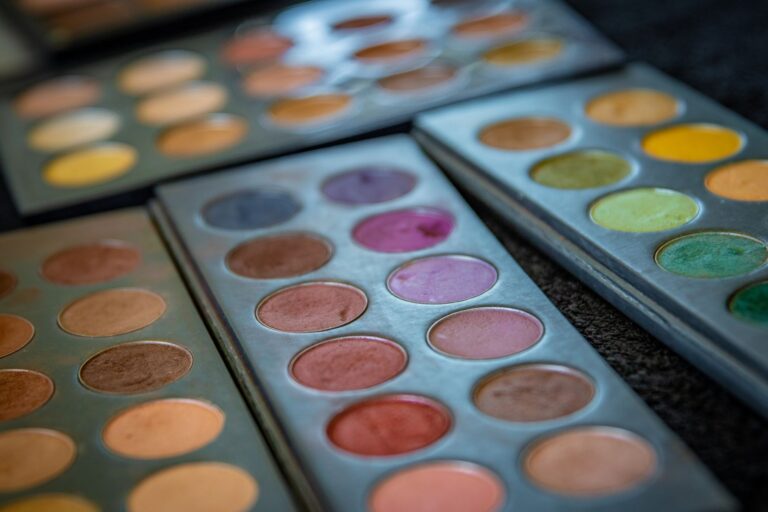
Autumn brings a bounty of rich, warm hues that can create striking looks. Think terracotta, deep burgundy, and golden yellows. These shades resonate with the changing leaves and cozy atmosphere of the season. When October arrives, I often find myself reaching for a warm, burnt orange eyeshadow. It provides just the right amount of depth for my hazel eyes, making them pop against the warm backdrop of the palette.
Additionally, when choosing a foundation, I lean towards formulas that offer a satin finish, as they mimic the soft, diffused light characteristic of autumn. A foundation with a slight warmth can seamlessly blend into my skin, allowing me to create a healthy, sun-kissed look, even as the days grow shorter.
Application Techniques for Seasonal Shades
The way we apply products is just as important as the colors we choose. Different seasons can call for variations in technique. For instance, during summer, I opt for a lighter hand with my bronzer, as the sun naturally adds warmth to my skin. A loose, fluffy brush allows for a diffused application that mimics natural sun-kissed highlights.
Conversely, during autumn, I focus on layering for depth and richness. I often use a firmer brush for my blush placement, which allows for a bolder application of rich tones that can stand up to more layered textures and finishes. This technique enhances the color payoff while maintaining a polished finish on the cheeks.
Winter: Bold and Dramatic
As winter rolls in, we embrace the bold and dramatic. Dark jewel tones like deep emerald, royal blue, and crimson become focal points of the makeup look. For my eyes, I love a rich navy eyeliner that not only defines but adds a sophisticated twist to classic black. The depth of navy complements my skin tone while providing a modern alternative.
For lips, I often turn to deep berry shades that resonate with the season’s festive spirit. A well-formulated matte lipstick with a high pigment load can provide the dramatic flair I seek while still allowing for comfortable wear. When selecting this type of formula, I pay close attention to the texture; a hydrating matte will prevent my lips from feeling parched, especially in the colder months.
The Role of Skin Undertones in Seasonal Choices
Understanding your skin’s undertone is essential when choosing seasonal palettes. Cool undertones may find more success with winter shades, while warm undertones align more closely with autumn and spring shades. Identifying your undertone can also guide you in selecting complementary shades of foundation, concealer, and even blush. For example, a foundation with a pink base can enhance the natural glow of cool undertone skin, while a foundation with a yellow base will enhance warmth on warmer skin.
Personalizing Your Seasonal Palette
While seasonal palettes provide a framework, personal preferences and individual style play a crucial role in our selection. I always advocate for experimentation. Each person’s face is unique, and what works well for one individual may not have the same effect on another. Cultivating a signature look can be a beautiful blend of seasonal trends and personal tastes.
For instance, I have a small selection of multi-use products that I rotate throughout the seasons. A cream blush that doubles as a lip tint provides flexibility across various palettes. The versatility of such products allows me to create cohesive looks, irrespective of the specific season.
Conclusion
Seasonal palettes offer an exciting opportunity to refresh our makeup looks while providing a framework for color selection based on our environment. By understanding the science behind colors, personalizing our choices, and adapting our techniques, we can enhance our natural beauty in thoughtful and intentional ways. Ultimately, the goal is to feel confident and authentically ourselves, regardless of the season.