This article may contain affiliate links. If you buy through them, Mornings and Mascara may earn a small commission at no extra cost to you. Learn more.
The cat eye has long been a symbol of elegance and allure, finding its place in the beauty routines of stars and everyday people alike. Its origins can be traced back to ancient Egypt, where both men and women adorned their eyes with kohl to enhance their gaze. This historical significance adds a layer of depth to what many might view as a simple cosmetic technique. Today, mastering the cat eye requires an understanding of various elements, from the right products to precise techniques that can elevate this classic look.
Understanding the Anatomy of the Cat Eye
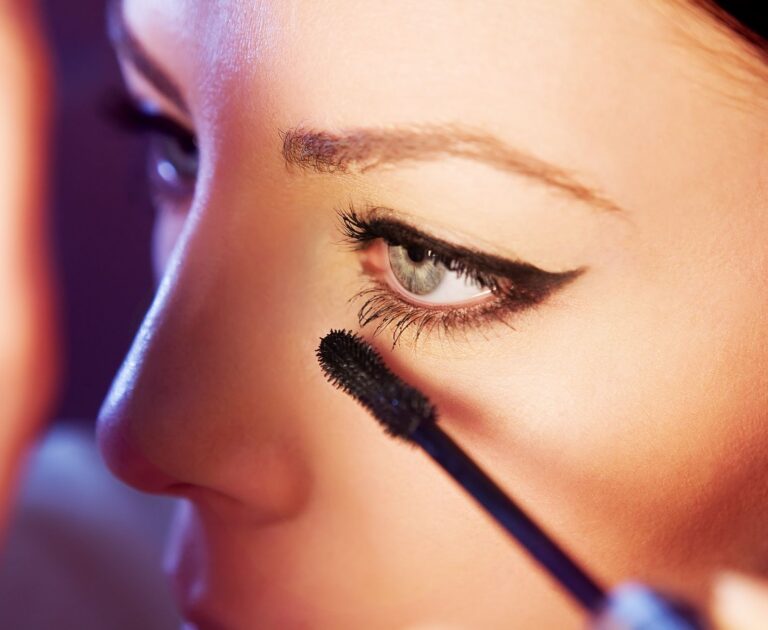
The cat eye typically consists of a defined line that extends and flicks upwards at the outer corners of the eyes, mimicking the sharpness of a feline’s gaze. While the precise angle and thickness can vary depending on individual preference, the fundamental goal remains the same: to create an elongated, lifted appearance that emphasizes the eyes.
In my own routine, I prefer a slight variation of the classic cat eye, opting for a softer flick that complements my almond-shaped eyes. I have found that using a gel eyeliner, such as a rich black formula, allows for both precision and blendability. The key here is to choose a product that maintains intensity while being forgiving enough to work with during application.
Tools for Precision
To achieve an impeccable cat eye, the right tools are essential. Here are some staples you might consider for your kit:
- Eyeliner: Whether you opt for liquid, gel, or pencil, it is crucial to find a formula that works well with your skin type and desired finish. Liquid liners often provide a dramatic, high-shine effect, while gel liners can be more versatile.
- Brushes: For gel liners, a fine-tipped brush will give you control over your line. For liquid liners, consider one with a flexible felt tip for precision.
- Tape or a card: This is a useful trick for those still honing their skills. Placing tape at an angle from the outer corner to the brow can help create a guide for your line.
- Setting powder or spray: To ensure your cat eye lasts throughout the day, a light dusting of translucent powder over the liner or a final spritz of setting spray can enhance wear time.
Techniques for Application
Achieving a cat eye involves both technique and finesse. Here is a systematic approach that I have found effective:
- Prep the Eyes: Start with a clean, primed eyelid. This sets the stage for your liner and helps it adhere better, enhancing longevity.
- Establish your starting point: Use a light pencil or a small dot of eyeliner to mark where the flick will begin, ensuring both sides are even.
- Draw the line: Starting from the inner corner, draw a thin line along the lash line. Gradually increase the thickness as you approach the outer corner.
- Create the flick: From the outer corner, extend the line upwards at a slight angle. The ideal angle may vary, but aim for about 30 degrees for a classic look.
- Connect the flick: Bring the line back towards the middle of your eyelid, filling in any gaps to create a seamless finish.
- Symmetry check: Take a step back and assess the angles of both eyes. Adjust as needed to ensure they mirror each other.
In my experience, patience is key. Especially when learning, it is better to build up the intensity gradually than to start too bold. The flick can also be adapted based on the occasion; for a more understated look, a thinner line might suffice, whereas a night out could call for an amplified flick.
Color Theory in the Cat Eye
Color theory plays a significant role in the overall aesthetic of a cat eye. The contrast between the liner and the eye color can dramatically affect how the look is perceived. For instance, using a deep navy liner can enhance brown eyes by emphasizing warmth, while a rich plum can bring out the green and gold flecks in hazel eyes. For my dark brown eyes, I frequently reach for a deep charcoal or olive green shade. These options not only define my eyes but also create a subtle, less harsh alternative to the traditional black liner.
Common Mistakes and Solutions
Even seasoned beauty enthusiasts can fall prey to some common missteps when applying a cat eye. Here are a few pitfalls and how to avoid them:
- Uneven Wings: If one wing appears higher than the other, it’s often helpful to take a makeup remover or micellar water on a cotton swab to gently erase and reapply. Alternatively, using an angled brush dipped in concealer can help sharpen the edges for a cleaner look.
- Too Much Product: Overloading your brush or liner can lead to smudging and uneven lines. Start with a small amount and build up as needed.
- Lack of Precision: If you’re struggling with steadiness, consider resting your elbow on a flat surface. This stabilizes your hand and allows for greater control.
Advanced Techniques
Once you are comfortable with the basics, you might want to experiment with more advanced techniques. One popular variation is the graphic eyeliner cat eye. This involves creating shapes and lines that extend beyond the natural lash line, offering a contemporary twist on the classic look. Using gel liners or even cream eyeshadows can be effective here, as they tend to have a more forgiving finish for such artistic endeavors.
For a bold statement, consider pairing your cat eye with vibrant eyeshadow. Using complementary shades in the crease or on the lid can elevate the look while keeping the focus on the eyeliner. For instance, a soft lavender in the crease combined with a midnight blue cat eye can create an eye-catching ensemble without overwhelming the eye area.
Removing Your Cat Eye
At the end of the day, properly removing your cat eye makeup is just as important as applying it. A gentle oil-based makeup remover is ideal, as it effectively breaks down long-wearing formulas without tugging at the delicate skin around the eyes. I prefer to use micellar water followed by a hydrating eye cream to ensure any residual product is completely removed while keeping the area nourished.
Conclusion
The cat eye is more than just a trendy makeup look; it is a time-honored technique that blends artistry with precision. Armed with the right tools and techniques, anyone can master this classic style. Whether you prefer a subtle variation or a bold statement, understanding the history and mechanics behind the cat eye allows for a deeper appreciation of its beauty. As with all makeup techniques, practice is essential. Over time, you will find what works best for your unique eye shape and personal aesthetic. Embrace the process, and allow your creativity to flourish.