This article may contain affiliate links. If you buy through them, Mornings and Mascara may earn a small commission at no extra cost to you. Learn more.
When we think about achieving a flawless makeup look, the first product that often comes to mind is foundation. While foundation undoubtedly plays a significant role in our overall makeup routine, the importance of skin prep cannot be overstated. The condition and texture of your skin are paramount when it comes to how well your makeup will apply, wear, and ultimately look. A meticulously prepared canvas can transform even the most basic foundation into a masterpiece.
Skin Chemistry and Makeup
Each person’s skin has a unique chemistry that influences how products interact. Factors such as pH level, moisture content, and oil production can drastically alter the performance of makeup. For instance, the commonly used silicone-based foundations, popular for their smoothing properties, may not work as intended on overly dry skin. Instead, they can cling to dry patches, leading to an uneven texture. In contrast, my combination skin benefits from a lightweight, hydrating primer that provides a silky base without making my T-zone excessively shiny.
The Role of Cleansing
A solid skin prep routine begins with cleansing. The goal is to remove residual products, oils, and impurities that can interfere with makeup application. I use a gentle gel cleanser as part of my morning routine, ensuring my skin feels fresh without being stripped of its natural oils. A clean surface allows for better adhesion and longevity of makeup products, reducing the chances of fading or patchiness throughout the day.
Exfoliation for Texture Improvement
Exfoliating your skin can dramatically improve its texture, which is another critical component of skin prep. Regular exfoliation removes dead skin cells, preventing them from accumulating and creating a rough surface for foundation. There are various ways to exfoliate, including physical scrubs and chemical exfoliants. I prefer using a mild AHA (alpha-hydroxy acid) serum twice a week, as it gently dissolves dead skin cells and enhances my skin’s radiance. This technique is particularly effective for maintaining an even complexion, which is vital for a seamless makeup look.
Hydration and Moisturization
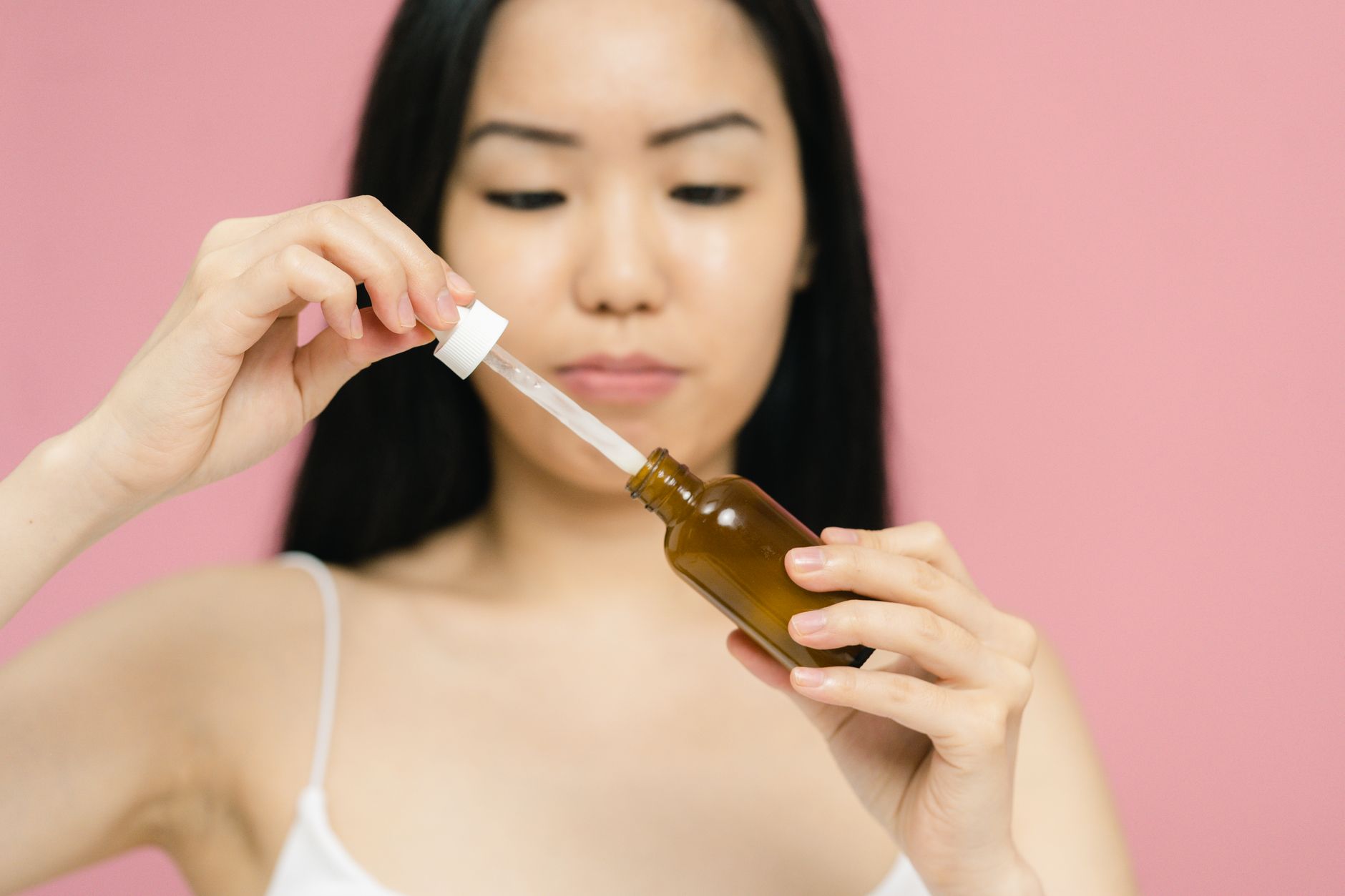
After cleansing and exfoliating, applying a hydrating serum or moisturizer is essential. Hydration can plump the skin, reducing the appearance of fine lines and creating a smoother canvas for foundation. I often reach for a hyaluronic acid serum, which binds moisture to the skin and leaves it feeling supple. This ingredient is especially valuable because of its lightweight texture that doesn’t overwhelm my skin, particularly in humid conditions. Remember that moisture helps to create a barrier that can keep foundation from settling into fine lines or pores, which can be a common concern with matte formulas.
Prime Your Canvas
The next step in my skin prep ritual is applying primer. Primers serve multiple purposes: they can blur imperfections, control oil, and enhance the longevity of your makeup. The choice of primer should align with your skin type. For instance, those with oily skin might benefit from a mattifying primer, while dry skin types may prefer one with added hydration. I favor a silicone-based primer that fills in my pores and creates a smooth surface, allowing my foundation to glide on effortlessly. It’s fascinating to note that silicone-based primers became popular in the cosmetic industry because of their ability to mimic the skin’s natural texture and provide a soft-focus effect.
Choosing the Right Foundation
Once your skin is prepped, the choice of foundation becomes more effective. It is crucial to select a foundation that not only matches your skin tone but also complements your skin type and desired finish. For example, those aiming for a dewy finish should look for foundations with a luminous finish that contain light-reflecting pigments. I tend to gravitate towards a satin-finish foundation that balances the need for coverage with a skin-like appearance. This type of foundation allows my natural radiance to peek through while still providing ample coverage.
Foundation Formulas and Pigments
Understanding the different types of foundation formulas can also enhance your makeup application process. Liquid foundations, for instance, often come in various finishes, matte, satin, and dewy, each delivering different results based on skin type. The pigmentation level is also essential; fuller coverage foundations typically contain a higher pigment load, which can sometimes lead to a heavier feel on the skin. I often opt for a medium-coverage foundation that is buildable, allowing me to customize the level of coverage depending on the occasion. This flexibility is important, as it provides the best of both worlds: coverage when needed, and a lightweight feel when I want a more natural look.
The Impact of Skin Prep on Longevity
One of the most compelling reasons to prioritize skin prep is the impact it has on the longevity of your makeup. Well-prepped skin can extend the wear time of foundation, preventing it from fading or separating throughout the day. For those of us who lead busy lives, this is a crucial factor. I have noticed that on days when I skip proper skin prep, my makeup doesn’t last as long and requires touch-ups far earlier than usual. Conversely, when I take the time to prep my skin, I find that my makeup can easily withstand a full day at the office and dinner with friends.
Embracing Your Skin’s Unique Needs
Another significant aspect of effective skin prep is recognizing and embracing your skin’s unique needs. Factors such as hormonal changes, seasonal shifts, and even diet can influence skin condition. For example, during colder months, I switch to a richer moisturizer to combat the drying effects of winter weather. Listening to your skin and adjusting your prep routine accordingly can lead to improved makeup application and overall skin health.
Tools and Application Techniques
The tools you use can significantly affect the outcome of your makeup application. Brushes, sponges, and even your fingers can produce different finishes. I prefer using a damp makeup sponge for applying my foundation, as it provides a seamless blend and helps to push the product into the skin, enhancing that natural finish. Additionally, employing the right techniques, like stippling or buffing, can further improve the overall look of your foundation.
Revisiting the Foundation vs. Skin Prep Debate
While foundation is an important aspect of achieving a polished look, the argument for prioritizing skin prep is compelling. Without proper cleansing, exfoliating, hydrating, and priming, even the most luxurious foundation can fall short. The foundation serves as the finishing touch; however, the real magic lies in the preparation. It is worth noting that skin prep is not a one-size-fits-all approach; it is deeply personal and should evolve with your skin’s needs and the changing seasons.
Conclusion
The relationship between skin prep and foundation is intricate, but understanding this connection can elevate your makeup game. By investing time in skincare, you are setting the stage for more effective makeup application and longer-lasting wear. The right foundation can enhance your look, but only when applied on a well-prepped canvas. Embrace the skin prep routine that makes the most sense for you, and watch as your makeup transforms into a true extension of your natural beauty.