This article may contain affiliate links. If you buy through them, Mornings and Mascara may earn a small commission at no extra cost to you. Learn more.
When selecting makeup shades, the interplay between color and our individual features plays a crucial role in achieving a harmonious look. Not all hues flatter every face; various elements such as undertones, skin type, and even eye color shape how a shade enhances or detracts from our natural beauty. My own experience has shown that subtle adjustments in color can amplify or diminish the vibrancy of one’s features, a phenomenon grounded in the principles of color theory.
Undertones: The Foundation of Flattering Colors
The foundation for determining which shades work best lies in understanding undertones. Every person has a specific undertone, which can be broadly categorized as cool, warm, or neutral. For instance, as someone with warm undertones, I often find that shades with a golden or peachy base resonate more with my complexion than those with silver or blue tones. This is not merely personal preference; rather, it’s rooted in how the pigments interact with the natural hues of our skin.
- Cool Undertones: Characterized by pink, red, or bluish hues. Colors such as true reds, pinks, and some purples generally enhance these undertones.
- Warm Undertones: Identified by yellow, golden, or olive hues. Earthy tones like warm reds, oranges, and corals tend to be more flattering.
- Neutral Undertones: A blend of both cool and warm, allowing for a broad range of colors, from soft pinks to muted earth tones.
When I select a blush, for example, I gravitate towards warm peach shades. A product that has served me well is the popular Benefit Cosmetics Georgia, which has a beautiful soft hue that brightens my complexion without veering into chalkiness. Observing how the shade interacts with my warmth helps me understand its suitability.
The Impact of Skin Type
Skin type can also influence how certain colors appear. Oily skin can reflect light differently than dry skin, affecting the way a color looks when applied. For those with oily skin, matte finishes may often look more vivid and true to the pan, whereas individuals with drier skin might find that creamy formulations can appear more luminous, enhancing the wearability of certain shades.
In my own routine, I’ve found that a dewy finish in my foundation allows my warm undertones to shine through, especially when I use a bronzer with a hint of shimmer, like the NARS Laguna. Its warm, golden undertones create depth, giving me that sun-kissed effect that feels effortlessly chic.
Color Pairings and Contrast
Another aspect to consider is the contrast between the makeup shade and the features it is supposed to enhance. High contrast can create bold statements, while low contrast tends to lend itself to a more subdued appearance. For example, chartreuse or vibrant blues can dramatically pop against deeper skin tones, creating a striking effect that often garners compliments. Conversely, on fairer skin, these same colors might overwhelm and detract from the overall look.
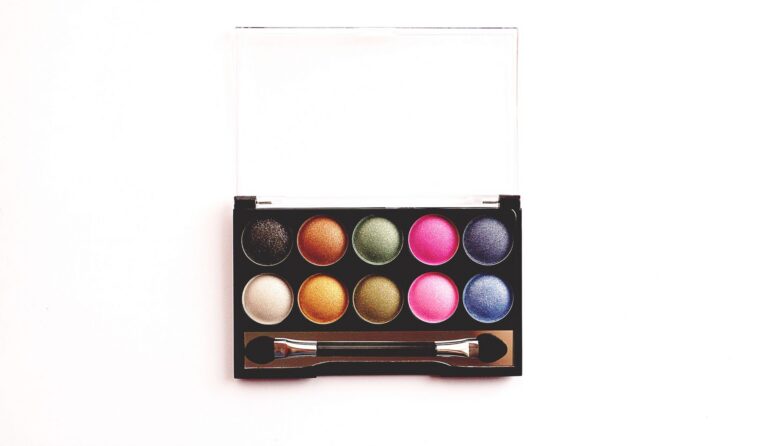
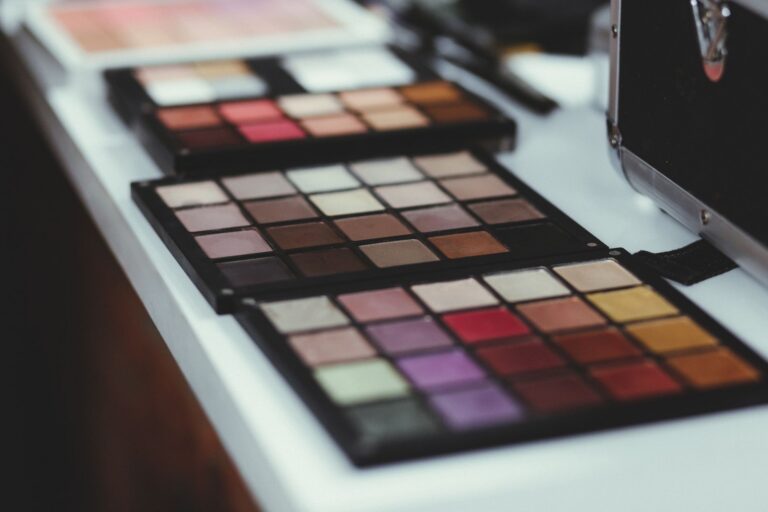
When experimenting with eyeshadows, I often play with contrasting colors. I have found that warm, earthy tones bring out the green flecks in my hazel eyes, while cooler shades can sometimes wash me out. Using the Urban Decay Naked Heat palette has been particularly rewarding; the deep copper and burnt orange shades enhance my eye color beautifully.
The Chemistry of Color: Pigment Load and Finish
The chemistry of color formulations also plays a significant role in how a color performs. Pigment load, or the concentration of pigment in a product, influences the vibrancy and longevity of a shade. A highly pigmented eyeshadow can provide an intense color payoff with less product, while a sheer formula may require building up to achieve the desired effect. This aspect is particularly important for those who wish to achieve a bold look without overwhelming their features.
In my collection, I’ve noticed that NARS eyeshadows tend to have a higher pigment load than some drugstore brands. This often means that a single swipe can deliver substantial color. However, I also appreciate the versatility of softer formulas, such as those from L’Oreal, which allow for a more diffused application, ideal for everyday wear when I want just a hint of color rather than an all-out statement.
Color Selection for Occasions
Additionally, the occasion can dictate which shades are most appropriate. For daytime looks, softer, more muted colors generally harmonize well, while evening events often allow for richer, more saturated hues. For instance, I often reach for a muted rose lipstick during the day, opting for a deeper berry hue for evening outings, as it aligns with the more dramatic lighting and ambiance of nighttime settings.
Common Mistakes: Overrated or Mislabeled Shades
It is also worth addressing the products or techniques that may be overrated or misrepresented. A popular trend is the notion that bold, bright lips suit everyone. In reality, this may not hold true for those with certain features or undertones. Bright shades can easily overwhelm delicate features, particularly on lighter skin tones. Instead, finding a shade that complements your unique features is far more beneficial than simply following trends.
For instance, I once fell prey to the viral hype surrounding a specific liquid lipstick touted as universally flattering. Upon applying it, however, I found that its overly cool undertone clashed with my skin. It was a lesson in color theory; the idea of a “one-size-fits-all” shade oversimplifies the complexities of individual coloring.
Conclusion: Experimentation and Personalization
Ultimately, striking the right balance between color, undertone, and skin type demands a bit of trial and error. By understanding the underlying principles of color theory and how they interact with our unique features, we can create looks that not only enhance our natural beauty but also feel authentically ours. Embracing a personalized approach can illuminate which shades truly flatter, providing a roadmap for our makeup routines that transcends fleeting trends.