This article may contain affiliate links. If you buy through them, Mornings and Mascara may earn a small commission at no extra cost to you. Learn more.
The allure of a natural finish in makeup is often about mimicking the look of bare skin while enhancing one’s features. This approach to makeup application transcends trends, focusing instead on enhancing beauty rather than masking it. To achieve this, understanding the science behind various products, formulations, and application techniques is essential. In this exploration, I will delve into the components that contribute to a natural finish, drawing from my own experiences and highlighting key aspects that make a significant difference.
The Foundation of Natural Beauty: Base Makeup
At the heart of any natural finish is the base makeup. The ideal foundation for achieving a natural look typically has a lighter coverage and a dewy or satin finish. Formulations such as tinted moisturizers and serum foundations are designed to provide hydration while allowing the skin’s natural texture and imperfections to show through, creating an effect that is more skin-like.
In my personal routine, I often reach for a lightweight foundation like a gel-based formula that contains hyaluronic acid. This ingredient adds moisture without feeling heavy, ensuring my skin looks fresh throughout the day. The important aspect of these formulations is their pigment load; too much pigment can lead to a cakey appearance, while too little might not provide the coverage necessary for an even skin tone.
Understanding Formulations
Many modern foundations are formulated with skin-loving ingredients that serve dual purposes. For instance, some contain light-reflecting particles that scatter light, creating a subtle glow. Others incorporate botanical extracts known for their soothing properties, contributing to skin health in tandem with makeup wear. It is worth noting that the emollient quality of a foundation can significantly affect how it sits on the skin; formulations rich in oils and esters may help achieve that coveted luminosity. This is a result of their ability to fill fine lines and create a smooth surface that mimics the natural sheen of healthy skin.
Concealer: The Art of Subtle Correction
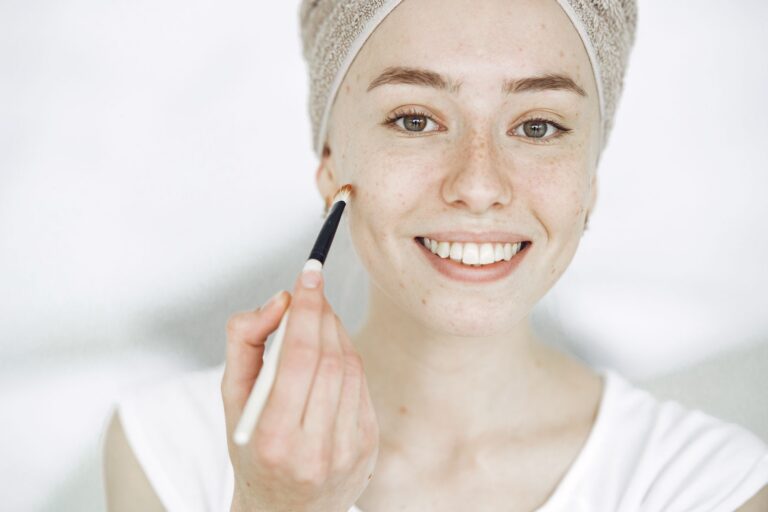
Concealer plays a crucial role in a natural finish, particularly in areas where imperfections might need a bit more coverage, such as under the eyes or around the nose. The key to using concealer effectively lies in selecting the right formula, creamy yet lightweight, with a finish that matches your skin tone while subtly brightening. I prefer a liquid concealer with a satin finish for my own routine. This texture blends seamlessly and maintains a lightweight feel, avoiding the dreaded caking that can occur with heavier products.
When applying concealer, using a gentle tapping motion rather than rubbing can make a difference. This technique allows the product to meld into the foundation rather than sitting on top of the skin, which enhances that natural appearance. Additionally, consider using a shade that is one or two tones lighter than your foundation for the under-eye area, as this helps brighten while maintaining balance with the rest of the face.
Color Theory in Action
Understanding color theory is essential when selecting products to achieve a natural look. For instance, color correcting concealers can neutralize unwanted tones but should be used sparingly to avoid a stark contrast that can detract from a seamless finish. Using a soft peach concealer can effectively counteract blue undertones under the eyes, creating a natural brightness without the appearance of heaviness. This nuanced understanding of color helps in maintaining a polished look while still feeling effortless.
The Role of Blush and Highlighter
Blush and highlighter are integral to creating dimension on the face, further contributing to a natural finish. Cream blushes are particularly effective, as they blend seamlessly into the skin and mimic the natural flush of color. I often opt for a peachy cream blush that adds warmth to my complexion without overwhelming it.
When it comes to highlighter, the goal should be to create a subtle glow rather than a stark shimmer. Products with a fine, micro-fine shimmer or a liquid formula that melds with the skin can achieve this luminous effect. Applying highlighter strategically on the high points of the face, cheekbones, brow bone, and the bridge of the nose, enhances one’s features without appearing unnatural.
The Importance of Setting
While a natural finish often entails a glowing complexion, setting these products is essential for longevity while maintaining that soft look. A translucent setting powder can be a makeup bag essential, but the choice of application is paramount. Opting for a light dusting in areas prone to oiliness or wear can keep makeup in place, whereas avoiding heavy application all over the face allows the natural finish to shine through. I typically use a soft, fluffy brush to apply powder only where needed, ensuring the rest of my face retains its luminosity.
Setting Sprays: The Finishing Touch
A setting spray can further enhance a natural finish. Formulations designed to provide hydration can refresh the skin and meld powder products into a seamless look. Products containing ingredients like glycerin or aloe can add a dose of moisture, elevating the natural finish of makeup. I have found a setting spray that not only helps my makeup stay put but also imparts a dewy glow, effectively bridging the gap between powder and natural skin.
Enhancing the Eyes and Lips
Eyes and lips are often the focal points of a natural makeup look. For the eyes, using neutral shades that amplify natural eye color can enhance one’s features without overwhelming them. A wash of soft browns or taupes can provide dimension without the harshness of darker colors. I often utilize a cream eyeshadow that can be applied with fingers for a quick and seamless application, maintaining that effortless vibe.
Lips should be treated similarly, with balmy textures or sheer lip tints that enhance the natural lip color. A tinted lip balm can provide moisture while subtly enhancing the lip’s hue, resulting in an uncomplicated yet polished appearance. Choosing shades that align with one’s natural lip undertone can further solidify the look, adding to the overall harmony of the makeup.
Final Thoughts on Natural Finishes
The art of achieving a natural finish lies in understanding the interplay of formulations, techniques, and personal preferences. It is essential to find products that suit not only your skin type but also your desired outcome. Striking a balance between coverage and luminosity, as well as being mindful of the colors you choose, can make a significant difference in how natural your makeup appears.
Ultimately, the goal is to feel comfortable in your own skin while enhancing your features in a way that feels authentic. The science behind natural finishes is not just in the products themselves but in the thoughtful application and understanding of one’s unique beauty. By embracing this philosophy, you can cultivate a makeup routine that celebrates your natural beauty every day.