This article may contain affiliate links. If you buy through them, Mornings and Mascara may earn a small commission at no extra cost to you. Learn more.
Tinted moisturizers and lightweight foundations cater to those who desire a natural finish without the heaviness typical of full-coverage products. However, knowing which to choose often depends on your skin type, coverage preference, and the specific look you aim to achieve. Let’s delve into the distinctions between these two options to help you make an informed choice.
What is a Tinted Moisturizer?
A tinted moisturizer combines the hydrating properties of a moisturizer with a hint of color. Its primary purpose is to provide lightweight coverage while nourishing the skin. Most tinted moisturizers contain emollients that help with skin hydration, and they often include SPF for added sun protection.
In my routine, I often reach for the Laura Mercier Tinted Moisturizer. Its formulation feels incredibly light on my skin, and the blend of pigments offers a barely-there tint that evens my complexion without masking my natural beauty. The key ingredient in this type of product is typically a mix of water and oils, which creates a blendable texture that feels comfortable throughout the day.
The Appeal of Lightweight Foundations
Lightweight foundations, on the other hand, aim to provide a bit more coverage than tinted moisturizers while still maintaining a breathable feel. They often have a fluid consistency and may be gel-based or silicone-infused. Unlike tinted moisturizers, which focus more on hydration, lightweight foundations prioritize even skin tone and can help to conceal minor imperfections.
For my everyday look, I often rely on the Giorgio Armani Luminous Silk Foundation. Its silk-like finish balances a luminous glow with effective coverage, making it perfect for a polished yet natural appearance. Lightweight foundations are formulated with varying pigment loads, allowing them to offer more coverage than tinted moisturizers while still feeling lightweight on the skin.
Key Differences: Coverage and Finish
One of the most significant differences between tinted moisturizers and lightweight foundations is coverage. Tinted moisturizers are ideal for those looking to achieve a “no makeup” makeup look, as they typically provide sheer to light coverage. They are best for individuals with relatively clear skin who seek to enhance their natural complexion.
Lightweight foundations provide more versatility with coverage options. Depending on the formulation, they can offer light to medium coverage, making them suitable for those who want a polished look without the heaviness of traditional foundations. This range in coverage allows for buildability; you can easily layer the product where needed to address specific concerns like redness or uneven texture.
Skin Type Considerations
When choosing between these two formulations, your skin type plays a pivotal role. Tinted moisturizers often suit drier skin types, as they tend to be more hydrating and nurturing. The presence of humectants, such as glycerin or hyaluronic acid, helps draw moisture to the skin, making them an excellent option for those who struggle with dryness.
Conversely, those with oily or combination skin might find that lightweight foundations offer a better fit. Many lightweight foundations come with oil-absorbing properties or matte finishes that can help control shine throughout the day. Additionally, some formulations contain silica or kaolin clay, which can help to keep excess oil at bay without feeling heavy or suffocating.
Shade Selection and Undertones
Shade selection is crucial when considering either option. Tinted moisturizers typically offer fewer shades, given their sheer coverage; thus, you may need to rely on the product’s ability to blend seamlessly into your skin tone. Lightweight foundations, however, often come in a broader range of shades and undertones, allowing for a more tailored match.
When choosing between warm, cool, or neutral undertones, consider the natural tones in your skin. A cool undertone has pink or blue hues, while warm undertones lean toward yellow or golden shades. The right undertone can make a substantial difference in how the product looks on your skin. For me, I generally gravitate towards neutral shades, as they allow me to avoid looking overly yellow or pink.
Texture and Finish
Texture plays a significant role when deciding between tinted moisturizer and lightweight foundation. Tinted moisturizers often have a dewy finish, which can give the skin a youthful glow. This characteristic is particularly desirable for those who prefer a fresh, luminous look.
Lightweight foundations may offer a satin or matte finish, depending on the formulation. A satin finish provides a balance between luminosity and matte, while a matte finish can help control shine and provide a longer-wear result. Knowing the finish you prefer can help narrow down your choices.
Longevity and Wear Time
In terms of longevity, lightweight foundations tend to outperform tinted moisturizers. They are often designed to withstand the rigors of daily life, maintaining their coverage and finish throughout the day. Some of these foundations even include long-wearing properties, ensuring that they stay in place for hours without fading or settling into fine lines.
On the other hand, tinted moisturizers may need more frequent touch-ups, especially in humid conditions or during long days. The emollient-rich texture can lead to breakdown faster, which is something to consider if you need your makeup to last all day. Personally, I find that a light dusting of translucent powder can help set my tinted moisturizer during the warmer months, extending its wear.
Application Techniques
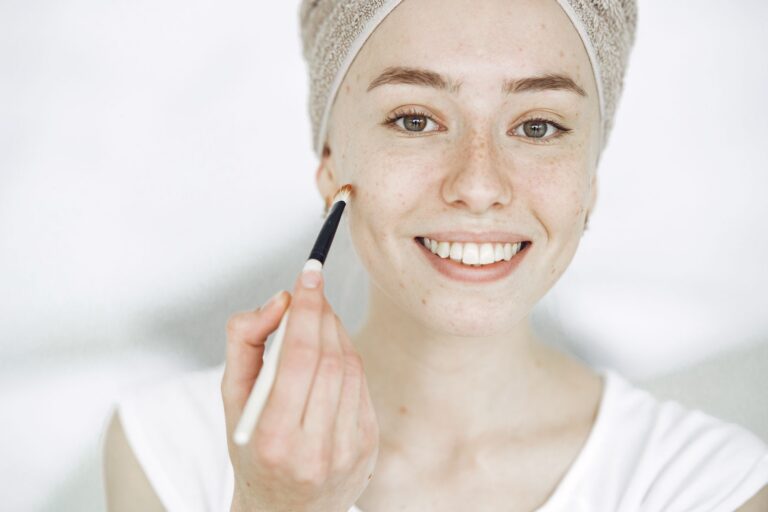
How you apply these products can also affect their performance. Tinted moisturizers are best applied with fingers or a damp makeup sponge, allowing the warmth of your skin to help blend the product seamlessly. This method enhances that natural look while ensuring the moisturizer melds with your skin, providing a light veil of coverage.
Lightweight foundations can be applied with a brush, sponge, or even fingers, depending on your desired finish. Using a stippling brush can help create a more airbrushed look, while a damp sponge can offer a more natural, dewy finish. Whichever method you choose, consider the amount of product you’re using, as lightweight foundations can easily be built up for additional coverage.
Cost Considerations
Finally, let’s consider cost. Tinted moisturizers and lightweight foundations can vary significantly in price depending on the brand and formulation. While some brands offer excellent products at lower price points, others may charge a premium for luxury formulations. As a general guideline, expect to pay more for foundations with specialized formulations or additional skincare benefits.
Conclusion
Choosing between tinted moisturizers and lightweight foundations ultimately depends on your skin type, coverage preferences, and the finish you desire. Tinted moisturizers cater to those looking for hydration and sheer coverage, while lightweight foundations offer versatility and longevity. Understanding these distinctions and considering your unique skin needs will help you select the perfect product for your everyday face. In my experience, both have their place in a well-rounded makeup routine, and knowing when to use each can elevate your look significantly.