This article may contain affiliate links. If you buy through them, Mornings and Mascara may earn a small commission at no extra cost to you. Learn more.
A smooth complexion is often regarded as the ultimate canvas for makeup, yet achieving it requires more than just a skillful application of products. At the core of this endeavor lies hydration, an essential aspect of skincare that plays a pivotal role in how our skin looks and behaves. After years of experimenting with different formulations and techniques, I have come to understand that proper hydration is not merely about the products used, but also about acknowledging how they interact with our skin’s unique chemistry.
Understanding Skin Hydration
Hydration is about more than just moisture; it encompasses the water content within the skin’s outer layer, the stratum corneum. This layer serves as a barrier, and when properly hydrated, it retains elasticity and glow. When our skin lacks adequate hydration, it can lead to a dull, uneven texture and exacerbate the appearance of fine lines and wrinkles. The skin’s ability to hold on to moisture is influenced by a variety of factors, including genetics, environmental conditions, and skincare practices.
To understand hydration’s role, it’s essential to recognize the distinction between hydration and moisture. Hydration refers specifically to water content, while moisture typically pertains to oils and emollients that help lock in that hydration. It’s a delicate balance: too much moisture without adequate hydration can lead to clogged pores, while too little moisture can leave the skin feeling tight and uncomfortable. It’s worth considering how this balance plays out in our day-to-day routines.
The Science of Hydration
The skin’s natural moisturizing factors (NMF) are crucial for maintaining hydration levels. These are compounds, including amino acids, urea, and lactic acid, that help attract and hold water within the epidermis. When these compounds are diminished, due to factors such as aging, harsh weather, or inappropriate skincare choices, the skin can become dry and flaky. A well-formulated hydrating serum or moisturizer should ideally contain ingredients that support the skin’s NMF, such as hyaluronic acid or glycerin. Hyaluronic acid, for instance, is capable of holding up to 1,000 times its weight in water, making it a powerhouse in hydration.
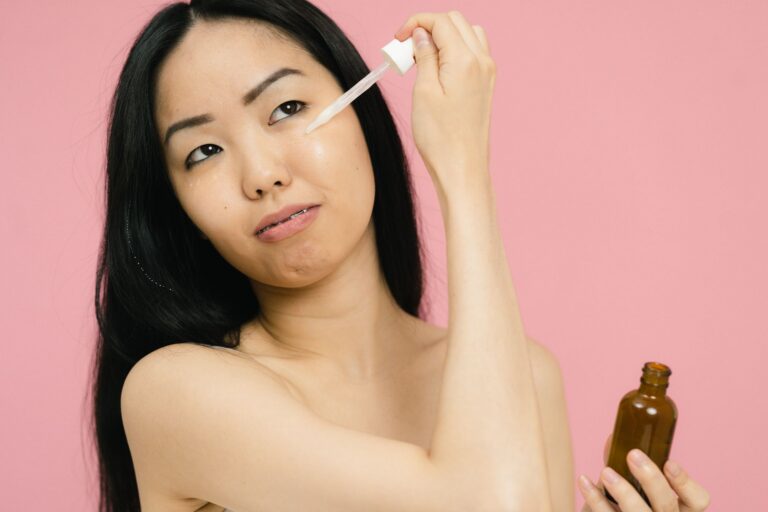
In my own routine, I have found great success with a hyaluronic acid serum that combines low and high molecular weight molecules. This combination allows for deep hydration while also offering surface-level plumpness. I apply this serum after cleansing but before my moisturizer, ensuring that I am layering hydration effectively. This method has transformed my skin’s texture, giving it the smoothness that makes makeup application much more enjoyable.
Choosing the Right Products
When selecting hydrating products, it’s vital to look for specific ingredients that effectively boost moisture levels. Here are some key ingredients to consider:
- Glycerin: A humectant that draws water into the skin.
- Aloe Vera: Known for its soothing properties, it also provides hydration.
- Panthenol: A form of vitamin B5 that helps to retain moisture and improve skin barrier function.
- Urea: A natural exfoliant that also attracts moisture.
In my personal kit, I always have a lightweight gel moisturizer with panthenol on hand. Its ability to absorb quickly makes it ideal for layering under makeup, providing that essential base without feeling heavy. The right texture is also crucial; for instance, heavy creams can sometimes be too occlusive for my oily skin, leading to breakouts rather than the hydration I seek.
Incorporating Hydration into Your Routine
The timing of product application can significantly impact hydration levels. Consistently applying hydrating products after cleansing, when skin is slightly damp, can enhance their effectiveness. This practice encourages better absorption, allowing active ingredients to penetrate deeper into the skin. Additionally, using a facial mist throughout the day can help maintain hydration levels, especially in dry climates or during air travel.
Another aspect to consider is the temperature of the water and the environment where products are applied. Hot water can strip the skin of its natural oils, leading to increased dryness. Instead, I prefer to cleanse with lukewarm water and follow up immediately with a hydrating toner that primes my skin for subsequent products. A toner containing botanical extracts like rose or chamomile also offers an aromatic experience that enhances my daily routine.
Adapting to Seasonal Changes
Seasonal changes can greatly affect hydration needs. In colder months, the skin often loses moisture due to reduced humidity levels and indoor heating. In contrast, warmer weather and increased humidity may allow for lighter formulations. During winter, I tend to switch to a creamier moisturizer that has a higher oil content to combat the dryness, while in summer, I may opt for a gel-based moisturizer that feels refreshing and light.
This adaptability is essential. For example, I often find that my skin feels tighter and more irritated during the winter months, and layering an occlusive balm as the final step in my routine has proven beneficial. This not only locks in moisture but also provides a protective barrier against environmental aggressors.
Mind the Ingredients
While it’s tempting to opt for products based solely on marketing claims, a closer look at the ingredient list is crucial. Fragrance, for instance, can irritate sensitive skin and compromise the skin barrier, leading to further dehydration. Instead, I prefer to select fragrance-free products, which not only are gentler on my skin but also help maintain a smoother complexion without the risk of irritation.
Furthermore, preservatives are often necessary to ensure product safety, but some can be harsh. It’s worth considering gentler preservatives like phenoxyethanol, which can be effective and less irritating than others. Reading labels thoroughly has become a routine for me, understanding what each ingredient contributes to the formulation makes it easier to tailor my skincare to my specific needs.
The Role of Diet in Skin Hydration
While topical hydration is essential, internal hydration shouldn’t be overlooked. Consuming adequate water and nutritious foods can profoundly affect skin health. Foods rich in omega-3 fatty acids, such as salmon and flaxseeds, are known to contribute to skin barrier function and hydration. Similarly, fresh fruits and vegetables, which are high in water content, can further support overall skin health.
In my own life, I’ve noticed a marked difference in my skin when I prioritize hydration through diet. Drinking enough water, along with consuming hydrating foods like cucumbers and oranges, helps maintain that plumpness I look for and reduces the tendency for my skin to feel dry, especially during more humid months.
Conclusion
Achieving a smooth complexion is an intricate ballet of hydration, product choice, and application technique. Understanding the importance of hydration, and how to maintain it, is foundational to not only how our skin looks but also how it feels. By adopting a well-rounded approach that incorporates effective products, mindful routines, and dietary considerations, we can achieve and maintain healthy, smooth skin. As I continue to refine my own practices, I remain dedicated to the exploration of what works best for my skin type, knowing that hydration will always play a leading role.